The Quiz Question
Which ancient wonder of the world is still standing today?
- A. Colossus of Rhodes
- B. Hanging Gardens
- C. Lighthouse of Alexandria
- D. Great Pyramid of Giza
The answer is D. Great Pyramid of Giza. Here is the full story.
The Last Wonder Standing
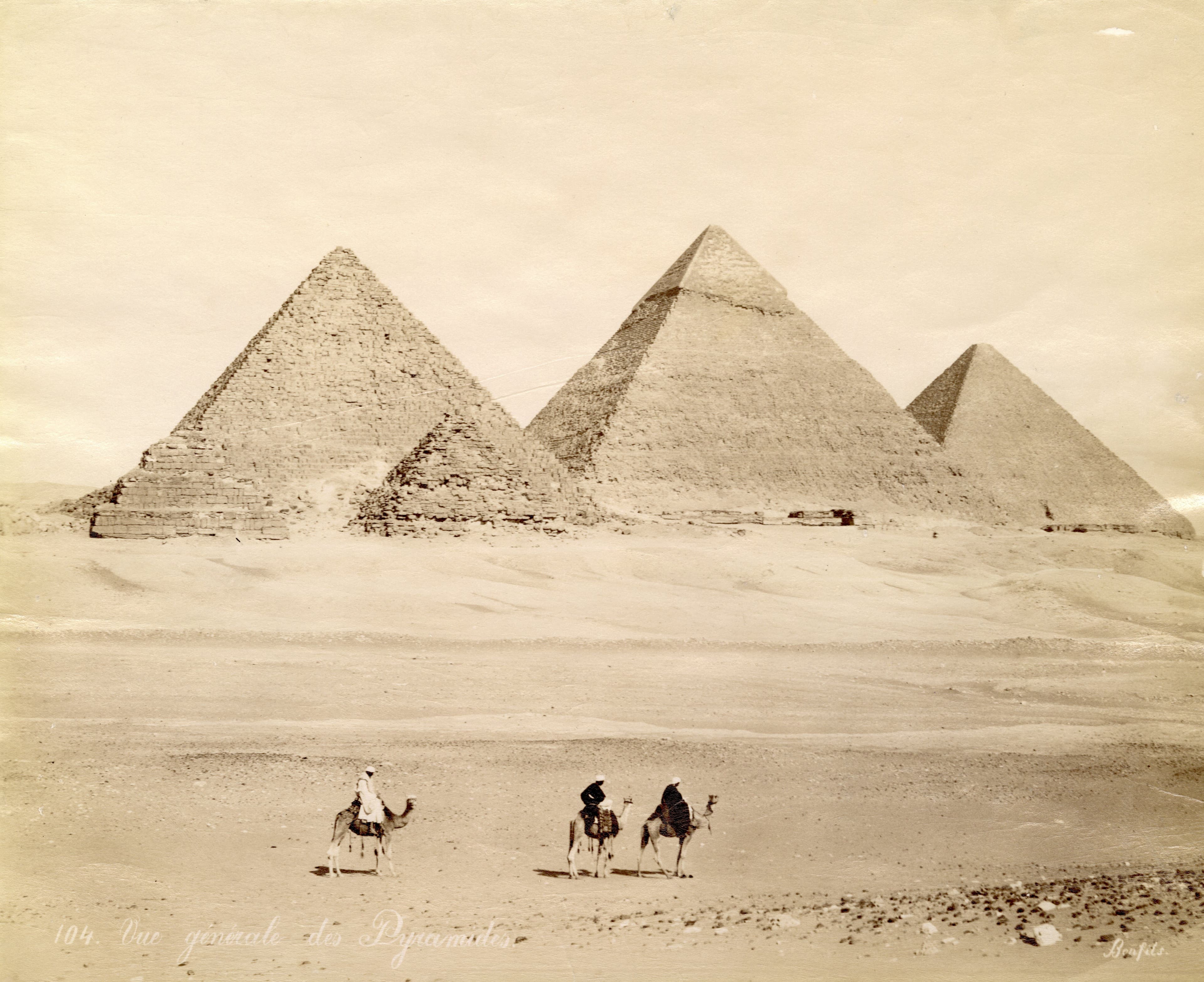
Out of the Seven Wonders of the Ancient World, six have crumbled, burned, or been swallowed by earthquakes and time. Only one has refused to disappear: the Great Pyramid of Giza, rising from the Egyptian desert just as it has for roughly 4,500 years.
Built to Last — and It Showed
The pyramid was constructed around 2560 BCE as the tomb of Pharaoh Khufu (also known as Cheops) during Egypt's Fourth Dynasty. It held the title of the tallest man-made structure on Earth for over 3,800 years — a record that wasn't beaten until Lincoln Cathedral in England was completed in 1311 CE.
At its original height, the pyramid stood at approximately 146.6 metres (481 feet). Today it measures closer to 138.5 metres, having lost its smooth white limestone casing stones to centuries of quarrying. Underneath that stripped exterior, around 2.3 million stone blocks remain — each weighing between 2.5 and 15 tonnes.
What Happened to the Other Six?
The contrast with the other Wonders is striking. The Hanging Gardens of Babylon are so thoroughly lost that historians still debate whether they existed at all. The Colossus of Rhodes — a giant bronze statue straddling a harbour — was toppled by an earthquake in 226 BCE. The Lighthouse of Alexandria survived into the medieval period before earthquakes brought it down. The Statue of Zeus at Olympia, the Temple of Artemis at Ephesus, and the Mausoleum at Halicarnassus all suffered destruction through fire, invasion, or natural disaster over the centuries.
The Pyramid of Khufu, by contrast, was simply too massive and too solid to be easily destroyed.
Engineering That Still Puzzles Experts
How exactly the ancient Egyptians built the pyramid remains a subject of active research. A 2023 study published in PLOS ONE suggested that a now-dried branch of the Nile River ran close enough to Giza to help transport the enormous stone blocks. Other researchers have proposed internal ramp systems to explain how workers hauled stones to such heights. No single explanation has fully satisfied everyone.
What we do know: the workforce was not made up of slaves, as was once assumed. Archaeological evidence points to a paid labour force of skilled workers who received wages, medical care, and were buried with honour near the site.
Still Standing, Still Studied
The Great Pyramid sits within the Giza Necropolis alongside the pyramids of Khafre and Menkaure, as well as the Great Sphinx. It was designated a UNESCO World Heritage Site in 1979 and draws millions of visitors every year.
After four and a half millennia of wars, climate shifts, and the rise and fall of entire civilisations, Khufu's monument has outlasted them all. It's not just a wonder of the ancient world — it's a wonder of any world.