The Quiz Question
Who scored the only goal in the first ever FA Cup final in 1872, playing for Wanderers against the Royal Engineers?
- A. Morton Betts
- B. Charles Alcock
- C. William Kenyon-Slaney
- D. Cuthbert Ottaway
The answer is A. Morton Betts. Here is the full story.
The Man Behind the Mystery Goal
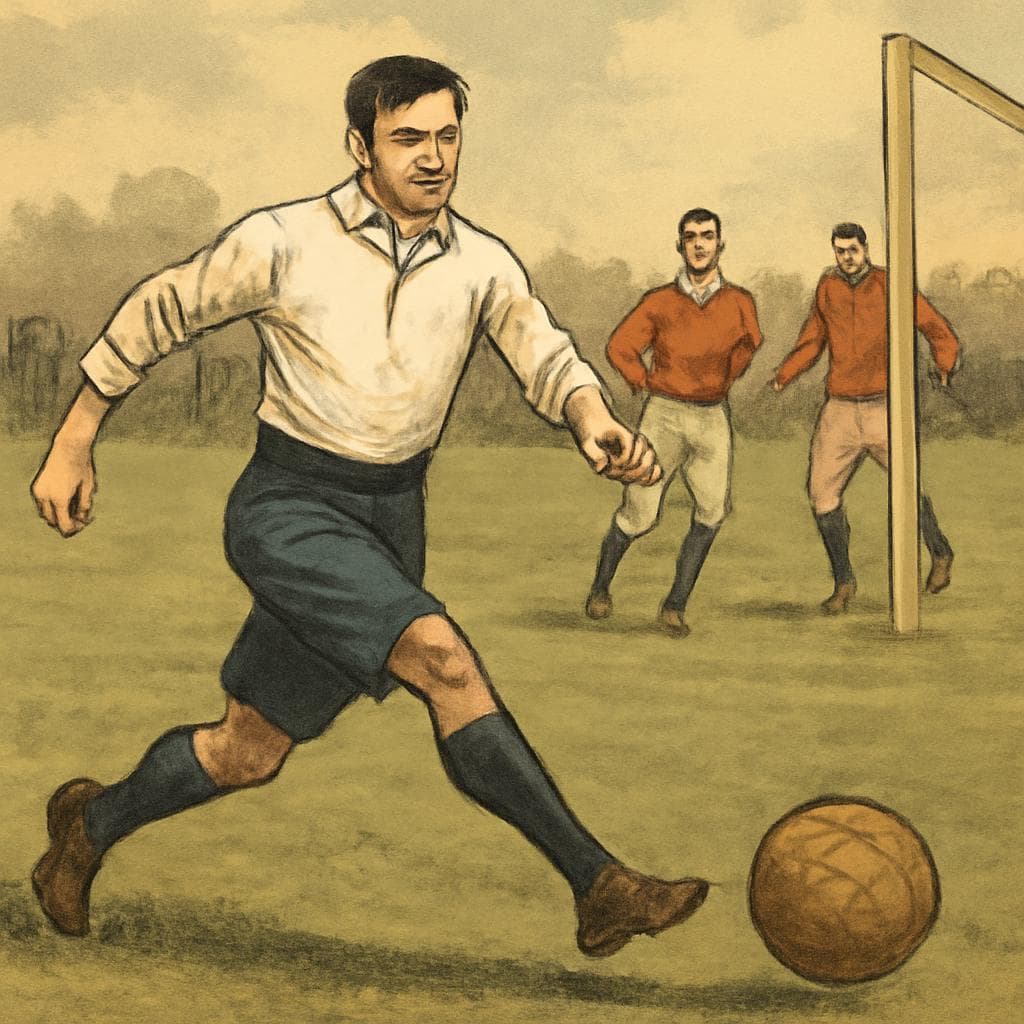
On March 16, 1872, a crowd of around 2,000 people gathered at Kennington Oval in London to witness history. The very first FA Cup final was played between the Wanderers and the Royal Engineers, and it ended 1–0. The man who scored that solitary, history-making goal was Morton Betts — though you wouldn't have known it from the match programme.
Playing Under a False Name
Betts took to the field that day under the pseudonym "A. H. Chequer" — a nod to his club side, the Harrow Chequers. This kind of alias wasn't unusual for the era. Victorian gentlemen footballers often played under assumed names, particularly when turning out for a different club than their registered one. Betts was technically a Harrow Chequers man who had been drafted into the Wanderers side, and using a pseudonym was a neat way of sidestepping any awkward questions about eligibility.
The result is that for many years, the identity of the FA Cup's first-ever final goalscorer was genuinely murky. Historical research eventually confirmed it was indeed Morton Betts who put the ball in the net, cementing his place — however obscurely — in football's founding chapter.
The Wanderers and the Engineers
The Wanderers were a fascinating club. They had no home ground, playing wherever they were invited — hence the name. They were captained by Charles W. Alcock, the man who had actually invented the FA Cup competition itself in his role as FA secretary. Alcock was inspired by a knock-out tournament he remembered from his schooldays at Harrow, and he turned that memory into the world's oldest football knockout competition.
The Royal Engineers were formidable opponents, known for their disciplined, organised style of play — an early forerunner of tactical football. Despite being heavy favourites in many observers' eyes, they were undone by Betts' goal and couldn't find an equaliser.
A Rough and Tumble Game
It's worth noting that football in 1872 looked very different from the modern game. Players could catch the ball and take a free kick from where they stood. Goalkeepers could handle the ball anywhere on the pitch. Shin pads didn't exist yet. The Royal Engineers actually had a man injured during the match, which significantly hampered their chances — there were no substitutes, so they played on with ten fit men for much of the game.
Why It Still Matters
Morton Betts scored just one goal in the FA Cup final — but it was the only one that mattered that day, and arguably the most significant single goal in the history of English football. Every FA Cup final since, every last-minute winner, every Wembley upset, traces its lineage back to that quiet afternoon in South London and the man who played under a borrowed name.