The Quiz Question
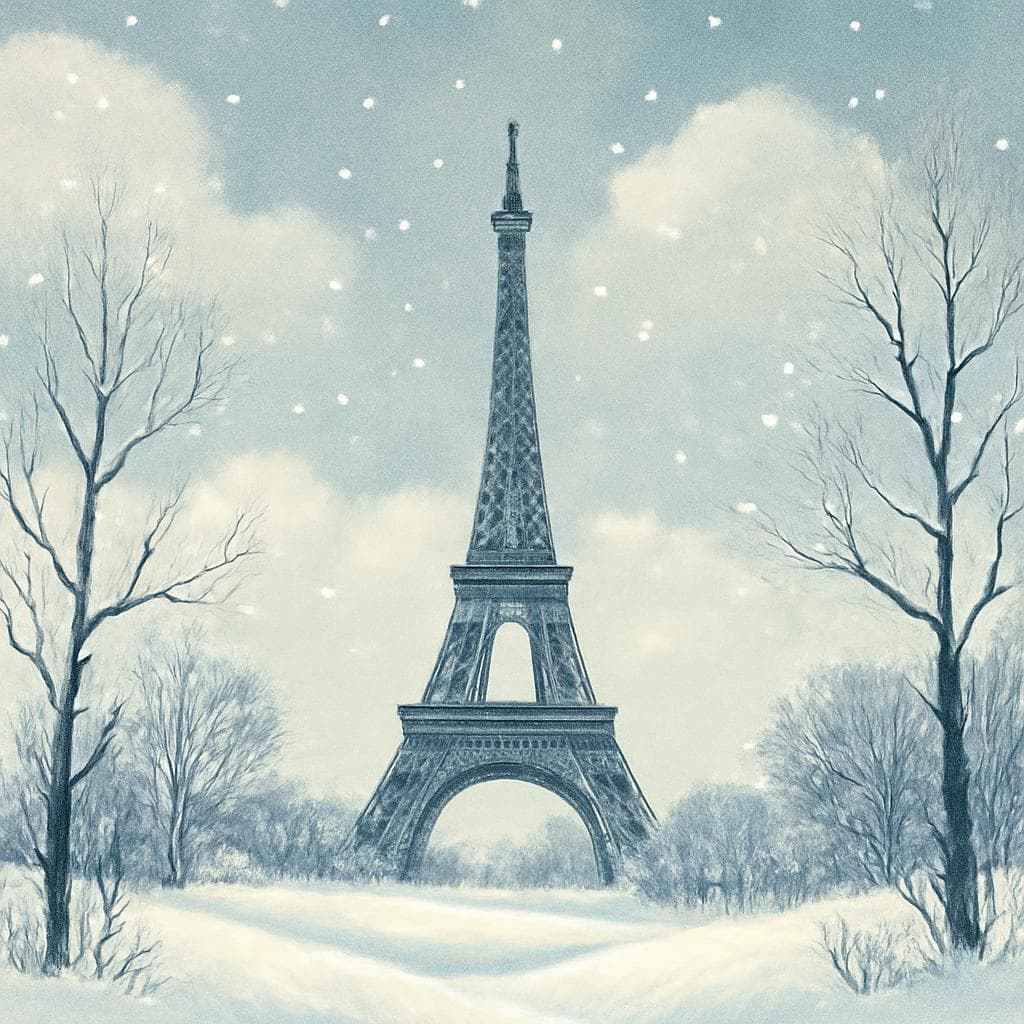
The Eiffel Tower shrinks in winter
- A. True
- B. False
- C. Slightly
- D. Unknown
The answer is A. True. Here is the full story.
Paris's Most Famous Landmark Has a Secret: It's a Living Structure
The Eiffel Tower is one of the most recognizable structures on Earth, but most visitors don't realize they're looking at something that literally changes size depending on the weather. Every winter, the iconic iron lady of Paris shrinks by around 6 centimeters (about 2.4 inches). Come summer, she stretches back out again. It sounds like magic, but it's straightforward physics.
Thermal Expansion: The Science Behind the Shrink
The culprit is a phenomenon called thermal expansion. Most solid materials — metals especially — expand when heated and contract when cooled. Iron, the material Gustave Eiffel used to construct the tower in 1889, is a particularly good example of this behavior. As temperatures drop in winter, the iron lattice loses heat energy, its molecules slow down and pull closer together, and the entire structure compresses slightly in height.
The Eiffel Tower stands about 330 meters tall (including its broadcast antenna), and across Paris's seasonal temperature range — which can swing from around -5°C in winter to 35°C+ in summer — that 6 cm change is a real, measurable effect. Engineers and physicists use this kind of calculation routinely when designing bridges, railways, and skyscrapers.
Gustave Eiffel Knew Exactly What He Was Building
This isn't a design flaw — it's physics working exactly as expected. Eiffel was a masterful engineer who had already applied his understanding of metal structures to dozens of bridges and viaducts before tackling the tower. The wrought iron framework he chose is excellent at handling these expansions and contractions without cracking or warping. Rigid materials like concrete or stone handle thermal stress far less gracefully.
Interestingly, the sun can cause an additional quirk: on hot, sunny days, the side of the tower facing the sun heats up faster than the shaded side. This uneven expansion can cause the very top of the tower to tilt slightly away from the sun — by up to 18 centimeters in extreme cases. So the tower doesn't just shrink and grow; it actually leans.
A Reminder That Even Giants Yield to Nature
It's a humbling detail about one of the world's most engineered objects. We tend to think of massive steel and iron structures as permanent and fixed, but they're constantly responding to their environment. The Eiffel Tower inhales and exhales with the seasons, swaying gently in the wind, tilting toward the sun, and shrinking in the cold — all within tolerances its creator accounted for over 135 years ago.
Next time you visit Paris in January and look up at that iron lattice against a grey winter sky, know that you're seeing a slightly shorter tower than the one summer tourists photographed. Just 6 centimeters — but enough to make the science feel wonderfully real.