The Quiz Question
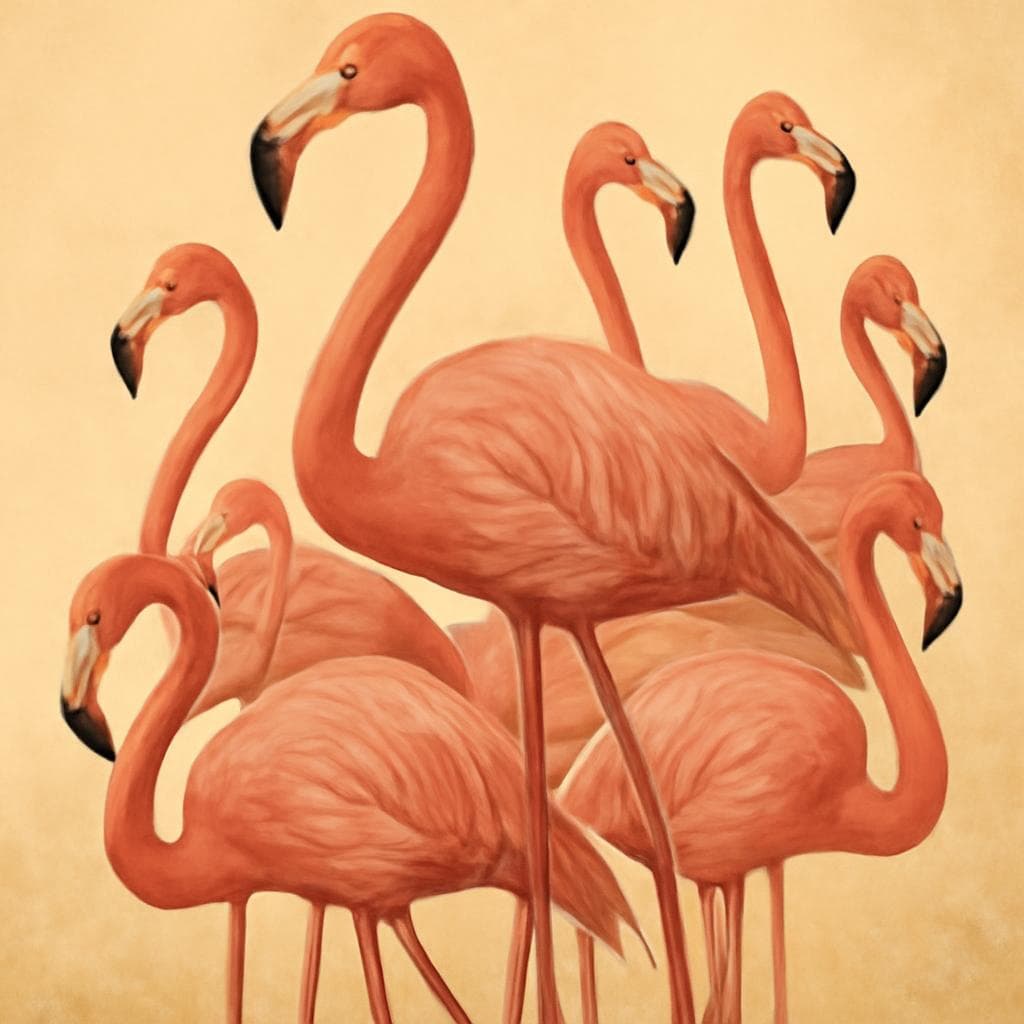
A group of flamingos is called a flamboyance
- A. True
- B. False
- C. Flock
- D. Colony
The answer is A. True. Here is the full story.
Yes, it's absolutely true — and honestly, it's one of those collective nouns that sounds made up but is completely legitimate. A group of flamingos is officially called a flamboyance, and once you know a little about these birds, the name makes perfect sense.
Why "Flamboyance"?
Collective nouns for animals often reflect something distinctive about the creature — a murder of crows, a parliament of owls, a crash of rhinos. Flamingos get a word that captures their sheer visual drama. Standing in their thousands along shallow lakes, their vivid pink plumage catching the light, a group of flamingos is nothing short of spectacular. "Flamboyance" comes from the French word flamboyant, meaning "flaming" or "blazing" — rooted in flambe, fire. The flamingo's very name shares that same fiery origin, derived from the Portuguese and Spanish word flamingo, itself from the Latin flamma, meaning flame.
The Science Behind the Pink
Flamingos aren't actually born pink. Chicks hatch with grey and white feathers, and their iconic colour comes entirely from their diet. They feed on brine shrimp, blue-green algae, and other organisms rich in carotenoid pigments — the same family of pigments that turn carrots orange and tomatoes red. These pigments are processed in the liver and deposited into growing feathers. A flamingo deprived of carotenoids in captivity will gradually fade to white.
The depth of the pink varies between species and individuals, and brighter birds tend to be healthier and better-fed — making colour a genuine signal of fitness during mating displays.
Safety in Numbers
Flamingos are intensely social birds. Colonies can range from a few dozen individuals to extraordinary gatherings of over a million — particularly around Africa's Great Rift Valley lakes like Lake Nakuru and Lake Bogoria in Kenya. Living in such dense groups offers real survival advantages: more eyes scanning for predators, and the sheer confusion of thousands of identical-looking pink birds makes it harder for a predator to single out one target.
Breeding also happens communally. Flamingos build small mud mound nests in tightly packed colonies, and the synchronised timing of egg-laying means chicks hatch around the same time, further overwhelming predators.
A Word Worth Remembering
English has hundreds of these vivid collective nouns, many dating back to 15th-century hunting manuals where naming animal groups was considered a mark of education and refinement. Some have stuck around, some have faded — but flamboyance deserves to stay. It captures the essence of flamingos better than any plain description could.
Next time you spot a nature documentary with a sweeping shot of pink birds blanketing a lake horizon, you'll have exactly the right word for it.