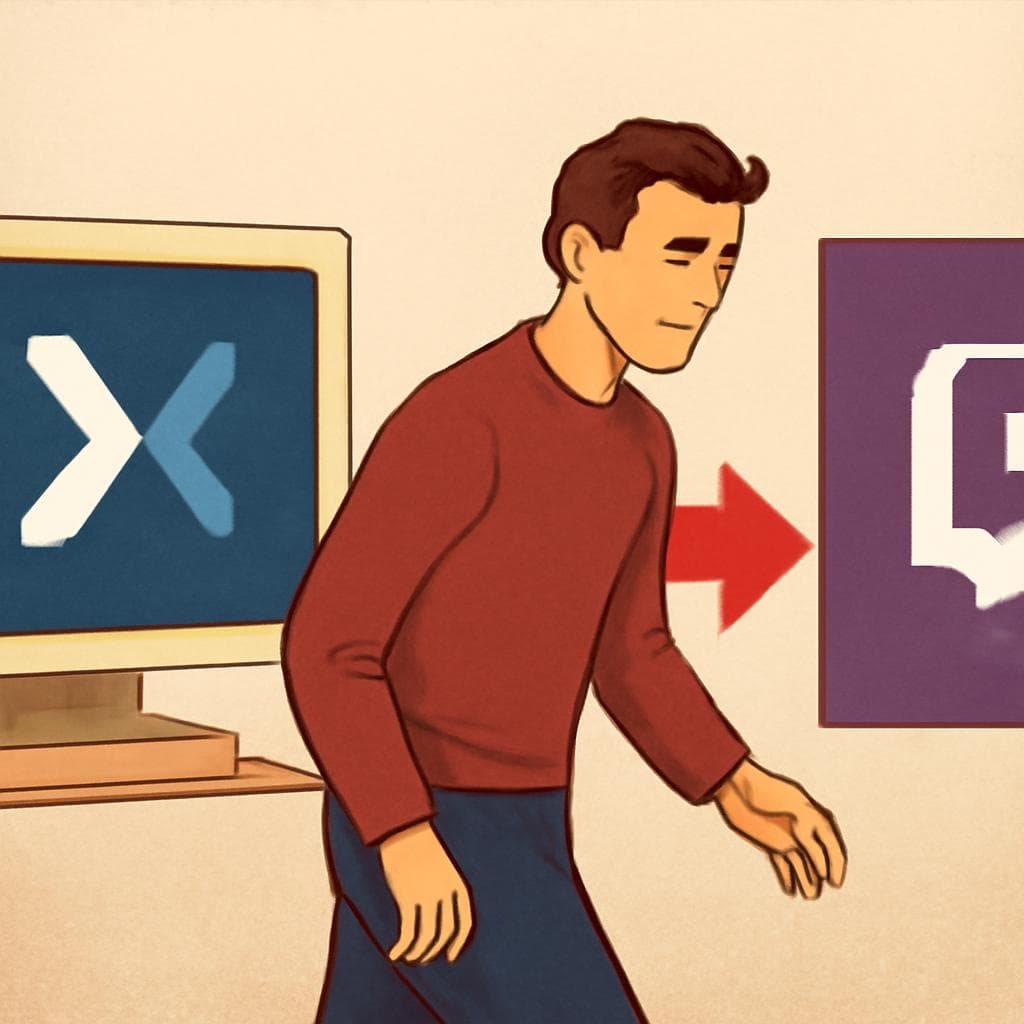
The Quiz Question
When Microsoft closed Mixer in 2020, which service did it redirect users to?
- A. Twitch
- B. YouTube Gaming
- C. Steam
- D. Facebook Gaming
The answer is D. Facebook Gaming. Here is the full story.
Microsoft's Streaming Gamble That Didn't Pay Off
Mixer launched in 2016 as Microsoft's big bet on the live-streaming market, positioning itself as a direct rival to Twitch. It had some genuinely innovative features — ultra-low latency, interactive co-streaming tools, and deep Xbox integration. On paper, it had everything it needed to compete. In practice, it never came close to threatening Twitch's dominance.
The Ninja and Shroud Experiment
In 2019, Microsoft made a dramatic power move. It signed Tyler "Ninja" Blevins — at the time the most-followed streamer on Twitch — to an exclusive deal reportedly worth tens of millions of dollars. Shroud, another mega-popular streamer, followed shortly after under a similarly lucrative exclusive contract. The idea was straightforward: bring the biggest names over and the audience will follow.
It didn't work. Mixer's viewer numbers remained stubbornly low despite the star power. Ninja's audience simply didn't migrate with him in meaningful enough numbers. The platform's overall share of the streaming market barely moved. By mid-2020, the math just wasn't adding up for Microsoft.
The Sudden Shutdown
On June 22, 2020, Microsoft announced it was shutting Mixer down entirely, effective July 22, 2020. The announcement came with almost no warning, and the speed of the closure shocked both streamers and the broader gaming community. Just four years after launch, and less than a year after signing its biggest-name exclusives, Microsoft was walking away completely.
Both Ninja and Shroud were released from their exclusivity deals, with Ninja eventually returning to Twitch and later moving to YouTube Gaming. Mixer's collapse essentially made them free agents overnight — and reportedly they kept their signing fees.
Why Facebook Gaming?
When Microsoft shut Mixer down, it didn't just flip the lights off — it redirected Mixer's entire user base and partner community toward Facebook Gaming. Microsoft and Facebook announced a partnership alongside the closure, positioning Facebook Gaming as the natural landing spot for displaced Mixer streamers and viewers.
It was a practical solution to a messy situation. Mixer's partner streamers needed somewhere to go quickly, and Facebook Gaming was actively trying to grow its own streaming footprint at the time. The redirect gave Facebook an instant injection of content creators and an established (if small) audience to absorb.
The Bigger Picture
Mixer's failure is now one of the most-cited cautionary tales in the streaming industry. Throwing money at celebrity streamers wasn't enough to shift deeply entrenched viewer habits. Twitch had something Mixer couldn't buy overnight: years of community culture, discoverability, and habitual viewing.
Facebook Gaming itself never truly broke through either, later scaling back its own streaming ambitions. The whole episode is a reminder that in platform wars, audience loyalty is far harder to purchase than content creator contracts.