The Quiz Question
Which British ocean liner sank in the North Atlantic in April 1912 after striking an iceberg?
- A. The Lusitania
- B. The Titanic
- C. The Britannic
- D. The Queen Mary
The answer is B. The Titanic. Here is the full story.
The Night the Titanic Went Down
Few disasters in modern history have lodged themselves so deeply into the public imagination as the sinking of the RMS Titanic. On the night of 14 April 1912, the ship that many believed to be virtually unsinkable struck an iceberg in the frigid North Atlantic — and within less than three hours, it was gone.
A Ship Built for the Ages
The Titanic was operated by the White Star Line and was, at the time of her maiden voyage, the largest ship afloat. She measured 882 feet in length and weighed over 46,000 gross tons. Built at the Harland and Wolff shipyard in Belfast, she was designed with a double-bottomed hull and 16 watertight compartments, giving rise to the popular — though never officially endorsed — claim that she was "unsinkable." She could theoretically stay afloat with up to four compartments flooded. The iceberg opened up five.
The Fatal Night
The Titanic departed Southampton on 10 April 1912, bound for New York City on her maiden voyage. She carried around 2,224 passengers and crew, ranging from some of the wealthiest people in the world to hundreds of emigrants hoping for a new life in America.
At 11:40 PM ship's time on 14 April, lookout Frederick Fleet spotted an iceberg directly ahead and rang the alarm bell. First Officer William Murdoch ordered the engines reversed and the ship turned hard to port, but there wasn't enough time or space. The iceberg scraped along the starboard side below the waterline, buckling the hull plates and allowing seawater to flood in.
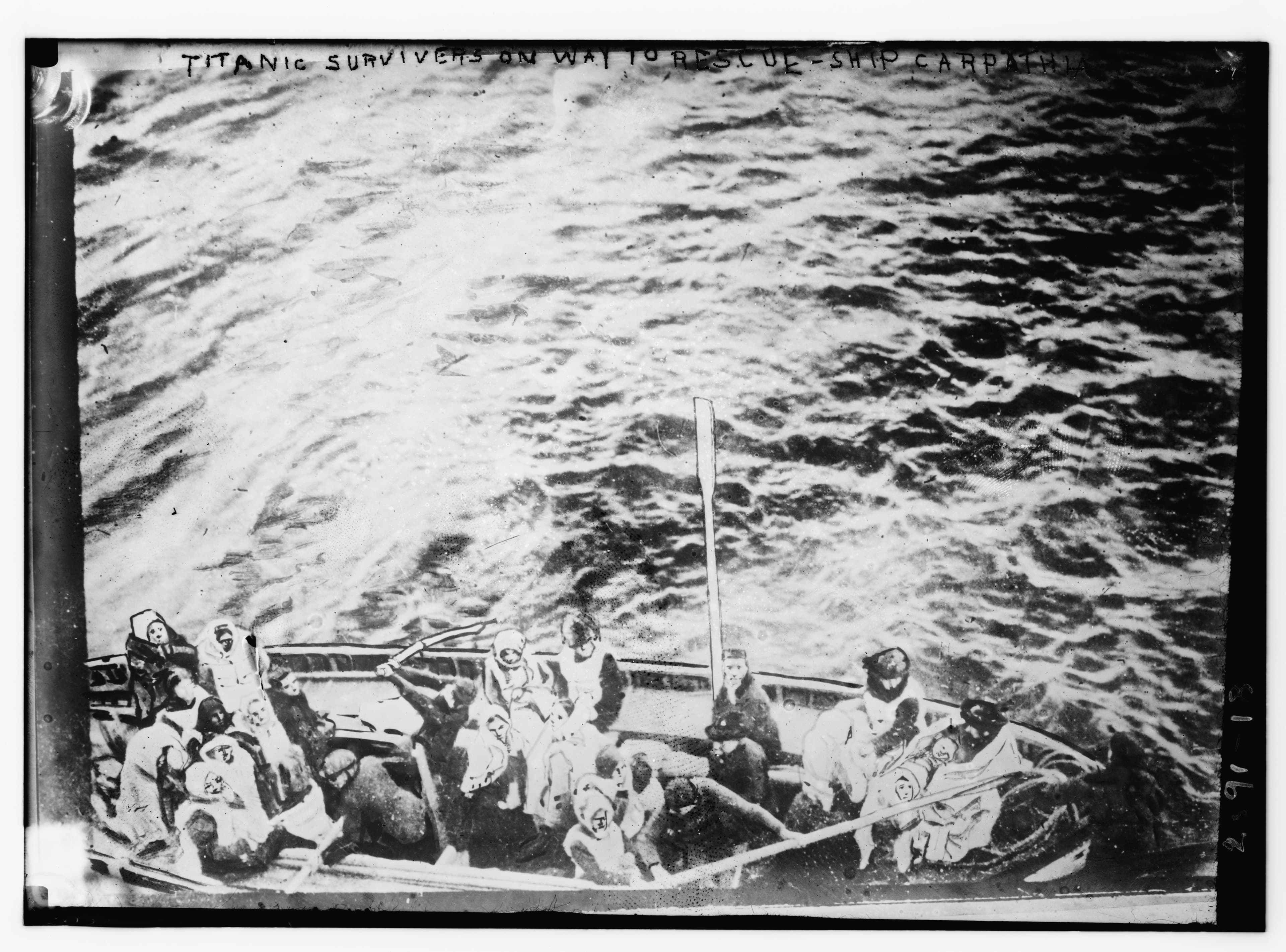
The ship's designers quickly calculated what the damage meant: the Titanic had perhaps two hours, maybe less. Captain Edward Smith ordered distress rockets fired and wireless operators to send out distress calls. The nearest ship, the Carpathia, was 58 miles away.
The Human Cost
More than 1,500 people died — a staggering toll driven in large part by a catastrophic shortage of lifeboats. The Titanic carried only 20 lifeboats, enough for around 1,178 people. Compounding the tragedy, several were launched only partially full in the early, calmer stages of the sinking.
Survival rates were brutally unequal. Around 60% of first-class passengers survived, compared to roughly 25% of those in third class. Women and children were prioritised in loading the lifeboats, which is why nearly 80% of male passengers perished.
Why It Still Matters
The Titanic's sinking led directly to sweeping changes in maritime law — international ice patrols, mandatory 24-hour radio watches, and enough lifeboats for everyone aboard became standard requirements. The wreck itself was discovered in 1985 by a team led by oceanographer Robert Ballard, sitting in two pieces nearly 12,500 feet below the surface. It remains there today, slowly decaying — a monument to one of history's most sobering lessons in human overconfidence.