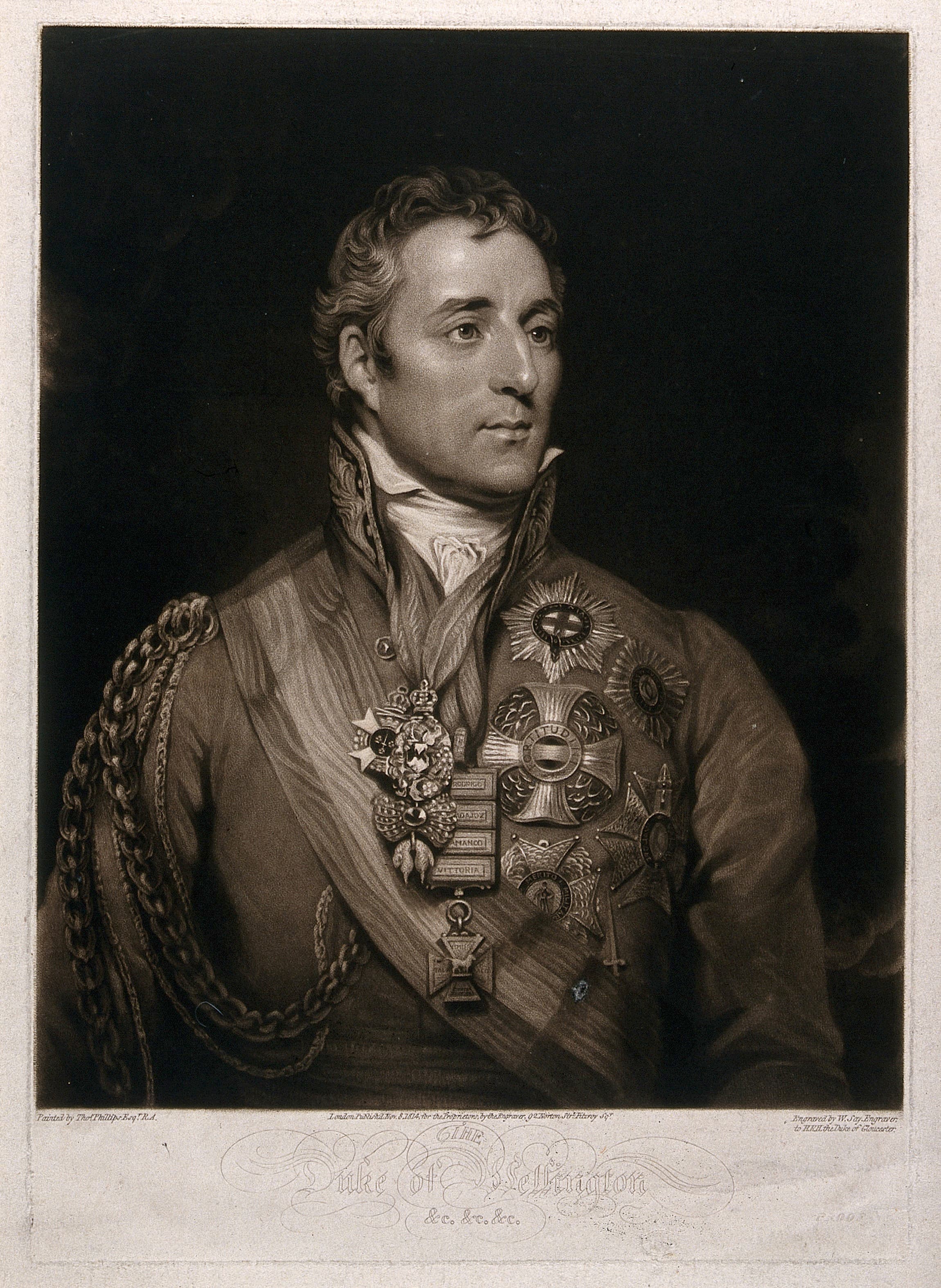
The Quiz Question
Which British general led the allied forces to victory over Napoleon at the Battle of Waterloo in 1815?
- A. The Duke of Wellington
- B. Lord Nelson
- C. General Cornwallis
- D. The Duke of Marlborough
The answer is A. The Duke of Wellington. Here is the full story.
The Iron Duke's Finest Hour
Arthur Wellesley, the Duke of Wellington, was already one of Britain's most celebrated soldiers before he ever set foot on the fields of Waterloo. He had spent years fighting Napoleon's forces across Portugal and Spain in the Peninsular War, earning a reputation for cool-headed tactical brilliance and an almost stubborn refusal to be beaten. By the time Napoleon escaped his exile on the island of Elba in 1815 and scrambled to rebuild his army, Wellington was the obvious choice to lead the allied response.
A Battle That Almost Went the Other Way
The fighting on 18 June 1815 was brutal, exhausting, and far closer than history sometimes remembers. Napoleon launched wave after wave at the allied lines near the Belgian village of Waterloo, including the fearsome Imperial Guard — his elite, supposedly unbeatable infantry. Wellington's multinational force of British, Dutch, Belgian, and Hanoverian troops held their ground on the ridge of Mont-Saint-Jean through sheer discipline and at enormous cost. Wellington himself rode constantly along the line, exposing himself to fire and personally steadying his men at critical moments.
He reportedly said afterwards that it had been "the nearest run thing you ever saw in your life." That was no exaggeration. Had Napoleon struck earlier in the day, before the ground dried after overnight rain, the outcome might have been very different.
Blücher Seals the Deal
Wellington never claimed the victory was his alone. The arrival of Prussian forces under the 72-year-old Field Marshal Gebhard Leberecht von Blücher in the late afternoon was decisive. Blücher's army had been badly mauled at the Battle of Ligny just two days earlier, but he drove his exhausted troops through the night and into the battle — a commitment that overwhelmed Napoleon's right flank just as his attacks on Wellington's centre were faltering. The French army collapsed and fled.
The End of an Era
Napoleon abdicated just four days later. He was exiled to the remote South Atlantic island of Saint Helena, where he died in 1821 — never to threaten Europe again. Waterloo effectively ended two decades of near-constant warfare that had reshaped the continent.
Wellington went on to become Prime Minister of the United Kingdom and one of the most iconic figures of 19th-century Britain. His nickname, "the Iron Duke," reflected both his military resolve and his rather stubborn political personality in later life. He even had an iconic boot style — and a famous railway station — named after him.
Why It Still Matters
Waterloo wasn't just a military engagement; it was the moment that set the shape of Europe for decades, paving the way for the Congress of Vienna's new political order. And at the centre of it all was a calculating, unflappable British general who refused to give an inch — until Napoleon had nothing left to throw at him.