The Quiz Question
On 6 June 1944, Allied forces including British troops launched which major invasion of Nazi-occupied France?
- A. Operation Market Garden
- B. The D-Day landings in Normandy
- C. The liberation of Paris
- D. Operation Torch
The answer is B. The D-Day landings in Normandy. Here is the full story.
The Day That Changed the War: D-Day and the Normandy Landings
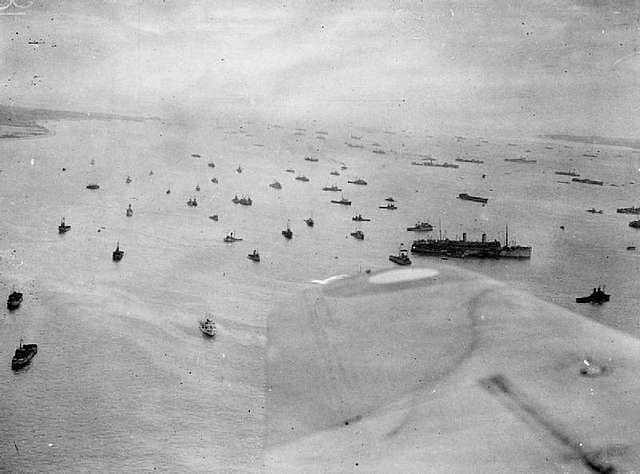
June 6, 1944 — codenamed D-Day — stands as one of the most consequential days in modern history. In the early hours of that Tuesday morning, the largest seaborne invasion ever assembled was set in motion, sending nearly 160,000 Allied troops across the English Channel toward the beaches of northern France. It was the beginning of the end for Nazi Germany.
Operation Overlord: The Plan Behind the Beaches
The landings were the centrepiece of Operation Overlord, a meticulously planned offensive that had been months — even years — in the making. Supreme Commander General Dwight D. Eisenhower led the overall Allied effort, while British General Bernard Montgomery commanded the ground forces. The invasion targeted five beaches along a 50-mile stretch of the Normandy coastline, each given a codename: Utah, Omaha, Gold, Juno, and Sword.
British forces took on Gold and Sword beaches, while Canadian troops stormed Juno. American soldiers bore the brunt at Utah and the bloodiest stretch of all — Omaha, where steep cliffs and fortified German positions made for devastating casualties.
More Than Just Boots on the Beach
The seaborne assault was only part of the story. In the hours before dawn, around 24,000 paratroopers from British and American airborne divisions dropped behind enemy lines to secure key roads, bridges, and towns. Britain's 6th Airborne Division famously captured Pegasus Bridge in a glider assault — a swift, daring strike that remains a celebrated moment in military history.
The Allies also pulled off one of the greatest deceptions in wartime history. Operation Fortitude convinced Hitler and the German high command that the real invasion would come at Pas-de-Calais, far to the north. Fake armies, dummy equipment, and carefully managed misinformation kept vital German Panzer divisions out of position for crucial hours.
The Cost and the Outcome
By nightfall on June 6, Allied forces had secured footholds on all five beaches, though the fighting was brutal. Estimates put Allied casualties on D-Day at around 10,000, with over 4,000 confirmed deaths. German losses were significant too, though harder to pin down precisely.
The Normandy campaign that followed lasted until late August 1944, eventually resulting in the liberation of Paris and the broader push eastward into Germany. D-Day didn't end the war overnight — that took another eleven months — but it decisively opened the Western Front and forced Nazi Germany to fight on two sides simultaneously.
Why It Still Matters
D-Day is remembered not just as a military triumph but as a moment of collective courage. Soldiers from Britain, the United States, Canada, France, Australia, New Zealand, and many other nations fought side by side. The Normandy beaches — now quiet and windswept — remain among the most visited and most solemn memorial sites in the world, a reminder of what was sacrificed to turn the tide of history.