The Quiz Question
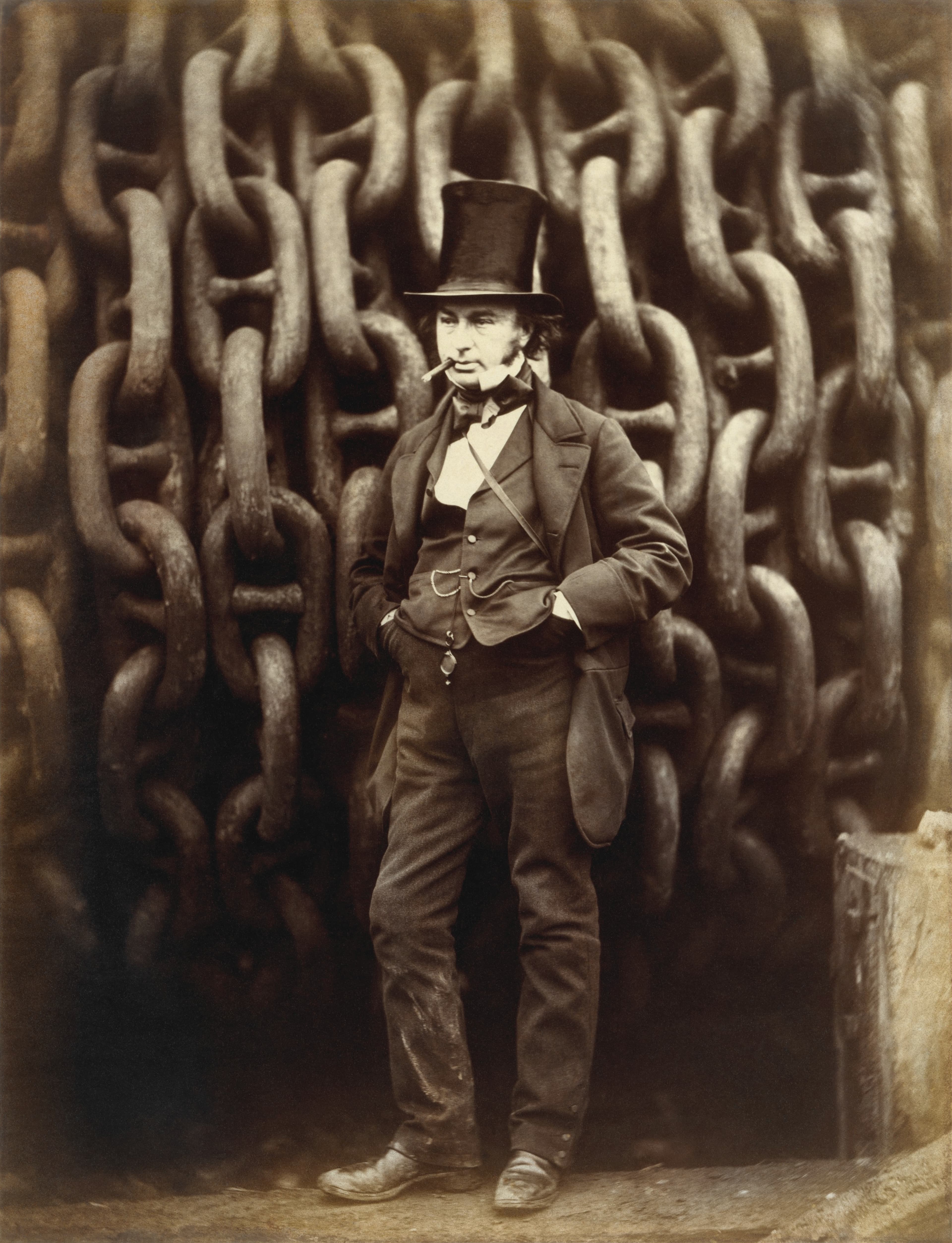
Brunel's ship, the largest in the world at launch in 1858, was called what?
The answer is SS Great Eastern. Here is the full story.
The Mighty Ship That Was Ahead of Its Time
When the SS Great Eastern slid into the Thames in January 1858, the world had never seen anything like her. Designed by the visionary engineer Isambard Kingdom Brunel, she measured 692 feet from bow to stern — nearly six times longer than any ship then afloat. She wouldn't be surpassed in size for over four decades, when the oceanic giants of the early 20th century finally caught up.
Brunel's Grandest Gamble
Brunel conceived the Great Eastern in the early 1850s as a solution to a very specific problem: how do you sail to Australia without stopping to refuel? His answer was breathtaking in its ambition — build a ship so enormous that she could carry enough coal for the entire round trip. She was designed to hold 4,000 passengers and a crew of around 400, dwarfing anything previously attempted.
The ship used two forms of propulsion — paddle wheels and a screw propeller — as well as sails, making her a kind of mechanical hybrid. Her double-skinned iron hull was revolutionary, essentially anticipating modern shipbuilding techniques by nearly a century.
A Launch That Almost Broke Everything
Getting her into the water was a nightmare. Because of her sheer size, she had to be launched sideways into the Thames at Millwall. The process began in November 1857 and took three agonising months of failed attempts, hydraulic jacks, and public embarrassment. The stress of the project is widely believed to have contributed to Brunel's declining health. He suffered a stroke on board the ship just days before her maiden voyage in September 1858 and died ten days later, aged 53.
A Career of Frustration and Unlikely Triumph
The Great Eastern never quite fulfilled her original purpose. The Australian passenger trade never materialised as Brunel had hoped, and the ship struggled commercially throughout her career. But she found her true calling in a completely different role — laying the first successful transatlantic telegraph cable in 1866. Her vast hull could carry the enormous length of cable needed, and her size gave her the stability to manage the delicate laying process across the ocean floor. That cable connected Britain and North America and changed global communications forever.
The End of a Legend
After the cable-laying work dried up, the Great Eastern spent years as a floating music hall and advertising hoarding in the Mersey before being broken up for scrap between 1888 and 1889. Workers reportedly found a human skeleton — rumoured to be that of a riveter accidentally entombed during construction — hidden within her double hull, adding a grim footnote to her already dramatic story.
She was a ship out of step with her own era: too big, too bold, and too expensive. But as an engineering achievement, she remains one of the most extraordinary vessels ever built.