The Quiz Question
Which U.S. state is the only one that grows coffee commercially?
- A. California
- B. Florida
- C. Hawaii
- D. Louisiana
The answer is C. Hawaii. Here is the full story.
Why Hawaii Is America's Only Coffee-Growing State
When it comes to coffee, the United States is a nation of devoted drinkers — but when it comes to growing the stuff commercially, only one state has the right conditions to pull it off. Hawaii sits in what geographers and farmers call the "Bean Belt," the band of tropical and subtropical latitudes between the Tropics of Cancer and Capricorn where coffee plants genuinely thrive. No other U.S. state falls within that sweet spot.
The Magic of the Kona Coast
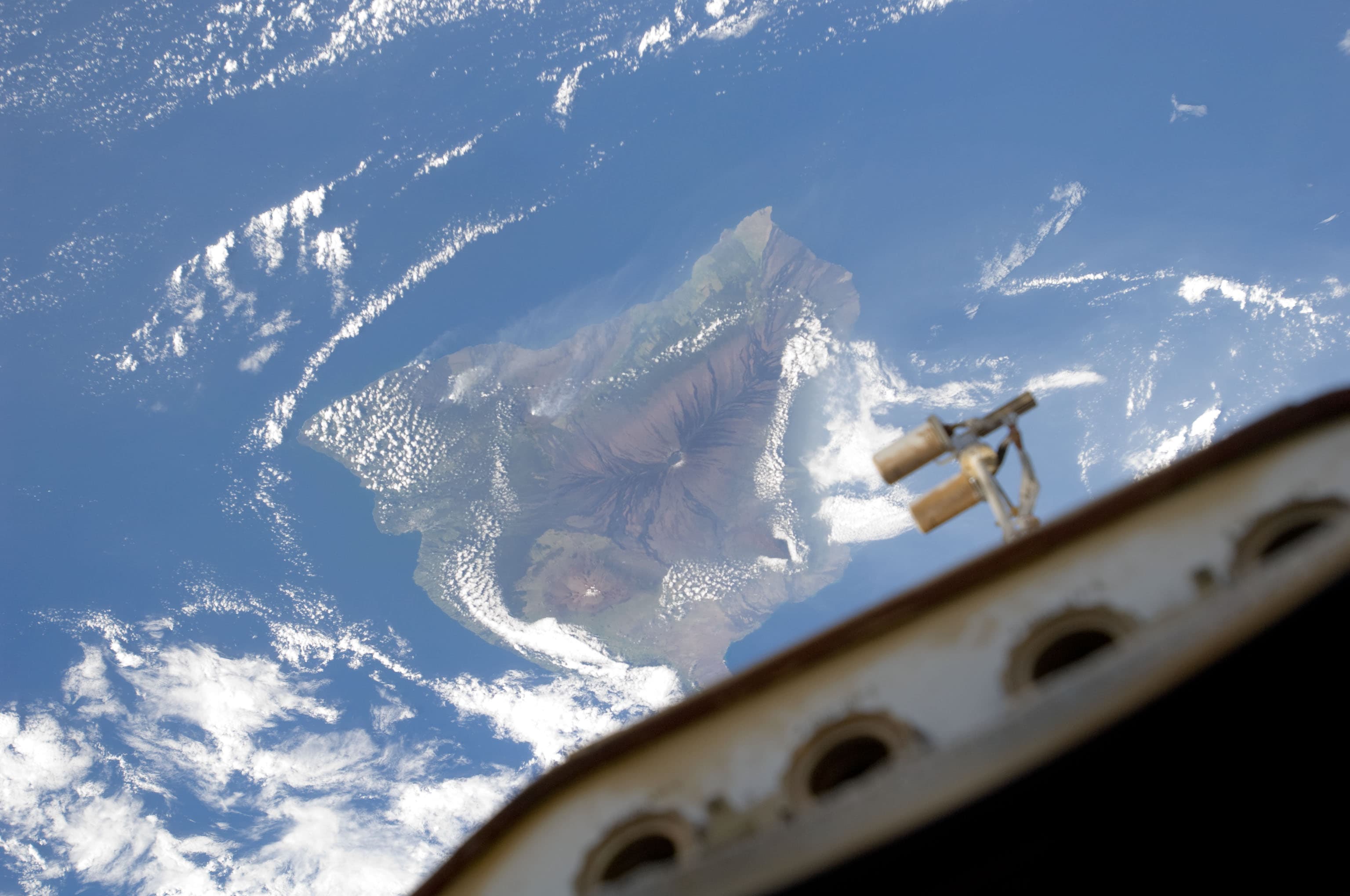
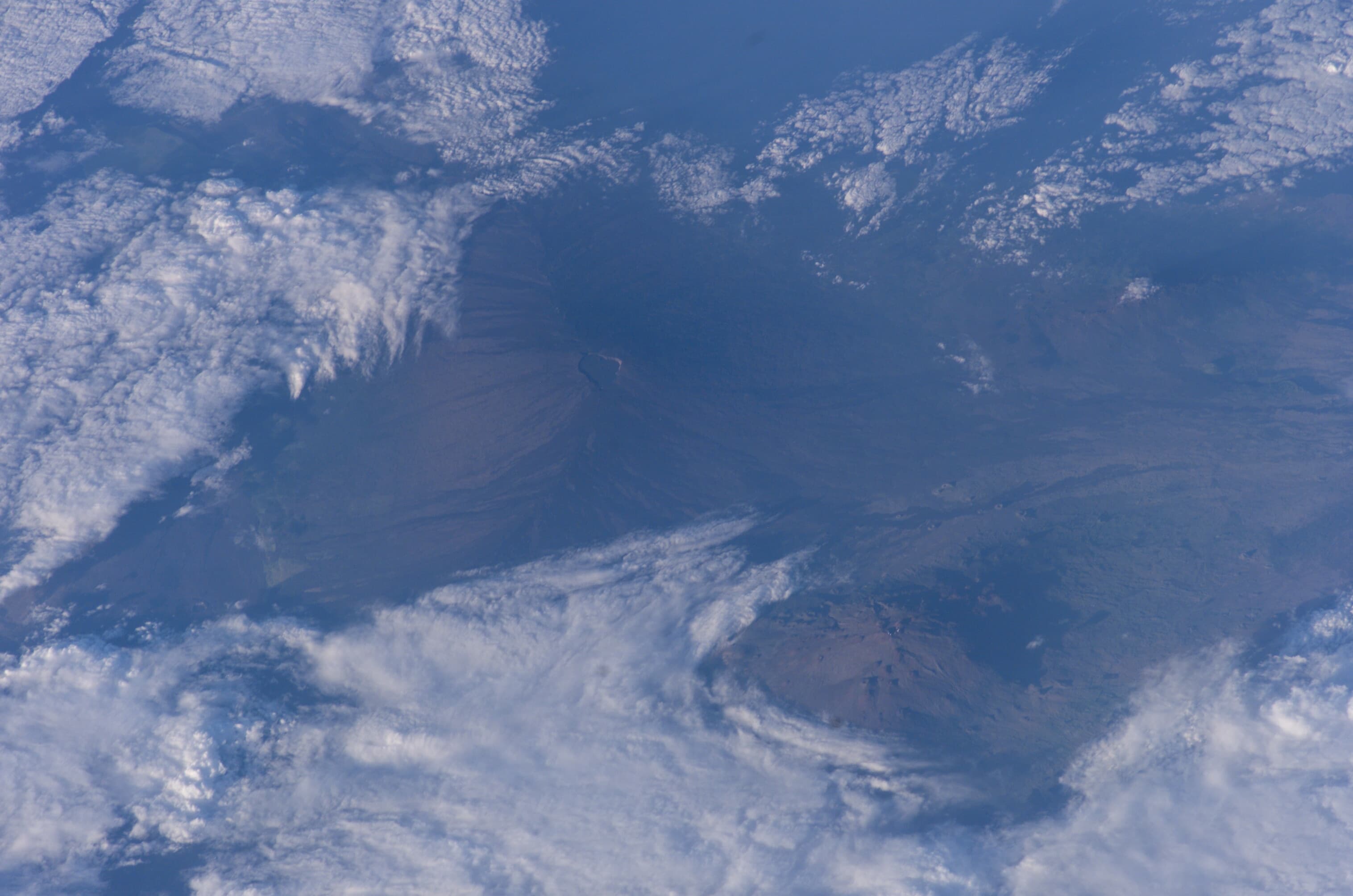
The most famous Hawaiian coffee comes from the Kona district on the Big Island's western slope. The geography there is almost suspiciously perfect for arabica plants. Volcanic soil from Mauna Loa provides rich, well-drained earth packed with minerals. Sunny mornings give way to afternoon cloud cover that shields the plants from harsh heat. Nights are cool, and rainfall is reliably consistent. It's a natural greenhouse, and farmers have been taking advantage of it since the 1820s when missionaries first introduced coffee plants to the islands.
Genuine Kona coffee is so prized — and so limited in supply — that it routinely fetches premium prices, sometimes over $50 per pound. Demand is so high that counterfeit "Kona blends" containing as little as 10% real Kona beans became a widespread problem, eventually prompting legal battles and calls for stricter labeling laws.
Beyond Kona — Coffee Across the Islands
While Kona grabs most of the headlines, coffee cultivation has expanded across the Hawaiian archipelago. Maui grows coffee in the upcountry Kula region. Kauai is home to one of the largest single coffee farms in the United States. Molokai and Oahu have smaller but growing operations. Each island's distinct microclimate — different elevations, soil types, and rainfall patterns — gives local beans their own distinctive flavor profile, much like wine regions in France or Italy.
Why Not California or Florida?
It's a fair question. California has experimented with small-scale coffee farming in places like Santa Barbara County, and a handful of boutique growers have produced limited crops. But "experimental" and "commercial" are very different things. The scale, consistency, and established infrastructure simply aren't there on the mainland. Climate, frost risk, and geography all work against it. Hawaii, by contrast, has been commercially producing and exporting coffee for nearly two centuries.
A Cup With a Story
Every bag of Hawaiian coffee represents something genuinely rare — American-grown beans from volcanic soil on islands in the middle of the Pacific Ocean. In a global coffee market dominated by Brazil, Colombia, and Ethiopia, Hawaii carves out a unique and prestigious niche. Next time you sip a cup of Kona, you're not just drinking coffee. You're drinking American geography.