The Quiz Question
Which U.S. state has the most active volcanoes?
- A. Hawaii
- B. Washington
- C. Alaska
- D. California
The answer is C. Alaska. Here is the full story.
Alaska's Fiery Secret: The Volcano Capital of the United States
When most people picture volcanoes in the U.S., their minds jump to Hawaii's dramatic lava flows or Washington State's Mount St. Helens. But Alaska quietly dominates the volcanic landscape in a way that's genuinely staggering — it's home to around 130 potentially active volcanoes, more than all other U.S. states combined.
Why So Many Volcanoes?
The reason comes down to plate tectonics. Alaska sits along the Pacific Ring of Fire, the massive horseshoe-shaped zone of tectonic activity that encircles the Pacific Ocean. Specifically, the Pacific Plate is grinding and diving beneath the North American Plate in a process called subduction. As the oceanic plate plunges deeper into the Earth, it melts and generates magma that forces its way upward — and volcanoes are the result.
This subduction zone runs right along Alaska's southern coast and then arcs out through the Aleutian Islands, a 1,200-mile chain of islands stretching toward Russia. That chain alone contains over 50 volcanoes that have erupted in the last 300 years. It's essentially a string of volcanic peaks poking out of the North Pacific.
The Numbers Are Extraordinary
Of Alaska's roughly 130 potentially active volcanoes, the U.S. Geological Survey (USGS) keeps a close watch on dozens that show signs of ongoing activity. On average, one or two Alaskan volcanoes erupt every year. That's not ancient geological history — that's a regular occurrence happening right now.
Some of the most notable include Mount Redoubt, which erupted explosively in 2009 and sent ash clouds across Alaska, and Pavlof Volcano, one of the most consistently active in the entire country. There's also Mount Spurr, close enough to Anchorage that its 1992 eruption dumped ash directly onto Alaska's largest city, grinding air traffic to a halt.
How Does This Compare to Other States?
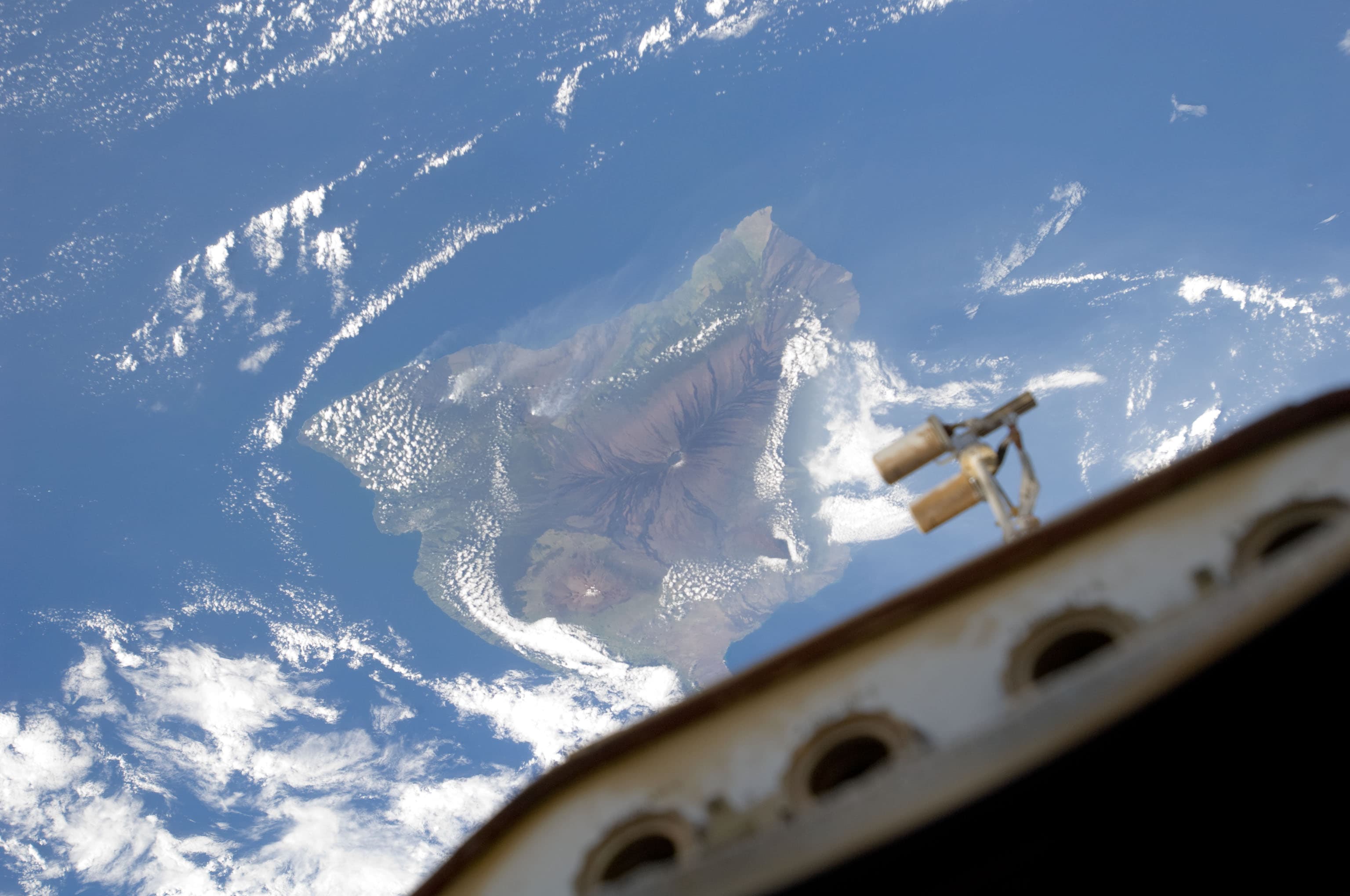
Hawaii has around six active volcanoes, and while they're world-famous for their dramatic eruptions, they're dwarfed in sheer number by Alaska. Washington, Oregon, and California each have notable volcanic peaks in the Cascade Range, but their total counts are far smaller. Alaska simply has no competition.
Keeping Watch
Because so many Alaskan volcanoes sit beneath busy trans-Pacific flight paths, volcanic ash monitoring is a serious business. The Alaska Volcano Observatory (AVO) runs 24/7, tracking eruptions and issuing aviation alerts that affect flights traveling between North America and Asia. A single eruption can force hundreds of planes to reroute.
It's a reminder that Alaska's volcanic activity isn't just a geological curiosity — it has real, ongoing consequences for daily life, aviation, and communities across the region. The Last Frontier really does live up to its wild reputation.