The Quiz Question
Which ocean is the smallest by surface area?
- A. Indian Ocean
- B. Southern Ocean
- C. Arctic Ocean
- D. Atlantic Ocean
The answer is C. Arctic Ocean. Here is the full story.
The World's Smallest Ocean: A Frozen Giant
Sitting at the top of the world, the Arctic Ocean is the smallest, shallowest, and coldest of Earth's five oceans. Covering roughly 5.4 million square miles (about 14.06 million square kilometers), it's a body of water that often gets overlooked — yet it plays an outsized role in keeping our planet's climate in balance.
Just How Small Are We Talking?
To put the Arctic Ocean's size into perspective, the Pacific Ocean — the largest — covers about 63.8 million square miles. That means the Pacific is nearly twelve times bigger than the Arctic. Even the Southern Ocean, which only received official recognition from the International Hydrographic Organization in 2000, is significantly larger. The Arctic Ocean is actually smaller than the continent of Antarctica, making it the only ocean you could reasonably say a landmass "beats" in a size contest.
More Sea Ice Than Open Water
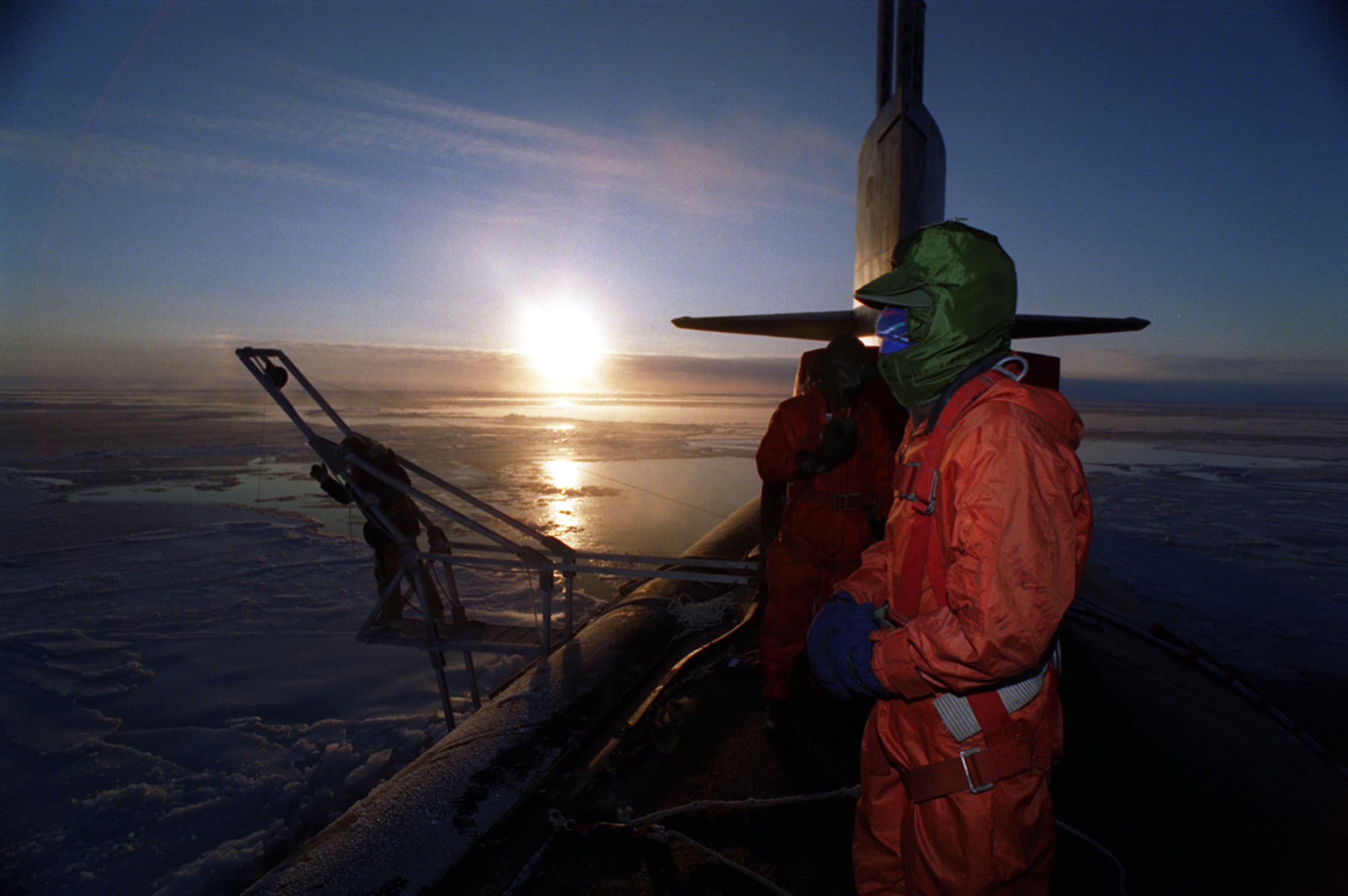
For much of the year, a large portion of the Arctic Ocean is covered by sea ice. In winter, ice can blanket up to 6 million square miles of its surface. In summer, that coverage shrinks dramatically — and due to climate change, Arctic sea ice is retreating faster than at any point in recorded history. Scientists use satellites to track these changes almost in real time, and the data is striking.
Surrounded by Land, Not the Other Way Around
Unlike most oceans, the Arctic is almost entirely enclosed by landmasses. Russia, Canada, Norway, Greenland, and Alaska all border it. This geography is why the Arctic Ocean behaves differently from its siblings — it's more like a large sea in some respects, and there's actually ongoing scientific debate about whether it fully qualifies as an ocean or should be classified as a mediterranean sea. For now, "ocean" status stands.
Shallow and Cold — But Critically Important
The Arctic Ocean's average depth is about 3,400 feet (1,038 meters), considerably shallower than the global ocean average of around 12,100 feet. Despite this, its waters are vital. The Arctic drives thermohaline circulation — the global "conveyor belt" of ocean currents that regulates heat distribution across the entire planet. Warm water flows north from the Atlantic, cools, sinks, and flows back south in a cycle that influences weather patterns from London to Los Angeles.
A Region Under the Spotlight
As Arctic ice retreats, new shipping routes are opening up, and nations are competing over undersea resources believed to lie beneath the ocean floor — oil, natural gas, and rare minerals. The Arctic Ocean's small size hasn't stopped it from becoming one of the most geopolitically and environmentally significant bodies of water on Earth.
Small but mighty, the Arctic Ocean punches well above its weight in shaping the world we live in.