The Quiz Question
What is the tallest mountain in the world measured from base to peak?
- A. Mount Everest
- B. K2
- C. Mauna Kea
- D. Denali
The answer is C. Mauna Kea. Here is the full story.
The Hidden Giant Beneath the Pacific
Most people immediately think of Mount Everest when they hear "tallest mountain in the world," and that's completely understandable — Everest's summit sits at 29,032 feet above sea level, higher than any other point on Earth. But "highest above sea level" and "tallest from base to peak" are two very different measurements, and that distinction changes everything.
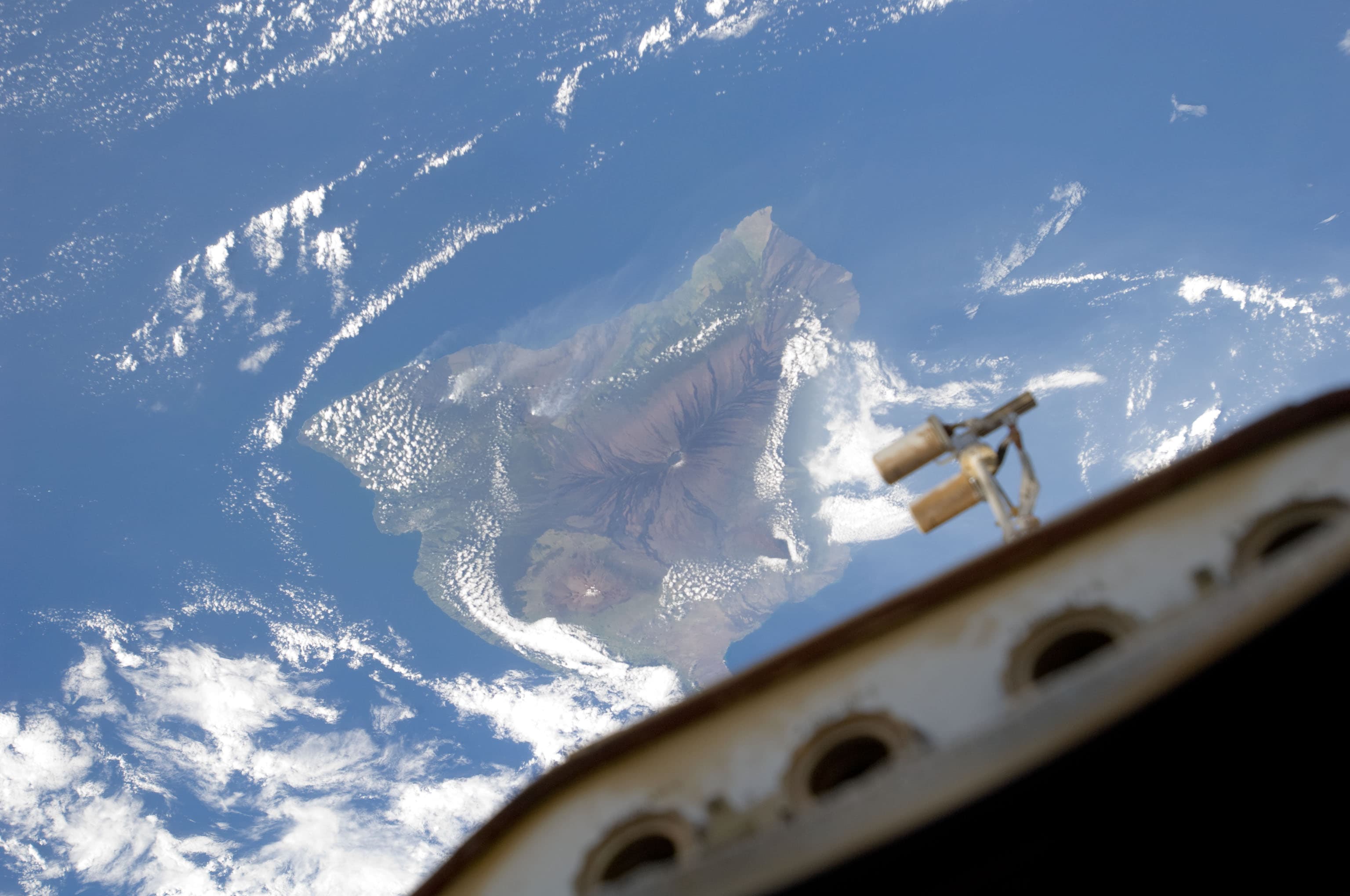
Mauna Kea, a dormant volcano on the Big Island of Hawaii, wins the base-to-peak contest by a significant margin. The mountain rises approximately 13,796 feet above the ocean surface — modest enough that you might shrug it off. But beneath the waves, Mauna Kea continues dropping down to the floor of the Pacific Ocean. Measure the whole thing, from that underwater base to its summit, and you're looking at roughly 33,500 feet of mountain. That's more than 4,000 feet taller than Everest measured the same way.
Why the Ocean Floor Changes the Equation
The base of Mauna Kea sits on the oceanic crust of the Pacific Plate, deep beneath the water's surface. The ocean floor in that region lies around 19,700 feet below sea level. Add that to the above-water height, and the true scale of the mountain becomes staggering. It's a geological giant hiding in plain sight — or rather, hiding under millions of gallons of seawater.
Mauna Kea formed through a hot spot in Earth's mantle, the same volcanic hotspot responsible for building the entire Hawaiian island chain over tens of millions of years. The Pacific Plate slowly drifts northwest over this hotspot, producing a conveyor belt of islands and seamounts stretching across the Pacific. Mauna Kea is simply the most recent and most impressive result of that process.
A Mountain With More Records Than You'd Expect
Mauna Kea doesn't stop at one impressive title. It's also considered the world's tallest mountain measured from the center of the Earth, edging out even Chimborazo in Ecuador in some calculations, thanks to the equatorial bulge of the planet affecting those measurements differently.
Its summit is one of the best locations on Earth for astronomical observation. The thin, dry, stable air at nearly 14,000 feet, combined with its remote Pacific location and minimal light pollution, makes it home to some of the world's most powerful telescopes, including the twin Keck Observatory mirrors, each nearly 33 feet across.
Size Depends on Where You Start Measuring
The Mauna Kea versus Everest debate is a perfect reminder that numbers in geography always come with a footnote. Everest is undeniably the highest point on Earth above sea level — no argument there. But Mauna Kea is the tallest structure on this planet when you measure the mountain as a mountain: from its true foundation to its peak. The ocean just happens to be covering the most dramatic part of the story.