The Quiz Question
What is the largest ocean on Earth?
The answer is The Pacific Ocean. Here is the full story.
The Mighty Pacific: Earth's Greatest Ocean
Stretching across roughly 165 million square kilometres, the Pacific Ocean is so vast it defies easy comprehension. To put that in perspective, it covers more area than all of Earth's landmasses combined — every continent, every island, every desert and mountain range — and still has room to spare. It is, without question, the largest and deepest ocean on the planet.
Where Does It Begin and End?
The Pacific spans from the Arctic in the north all the way to the Antarctic in the south, and from the western coastlines of the Americas to the eastern shores of Asia and Australia. At its widest point — roughly between Indonesia and Colombia — it measures about 19,800 kilometres across. Flying non-stop at cruising speed, a commercial jet would take well over 20 hours just to cross it.
How Did It Get Its Name?
The name "Pacific" comes from the Latin Mare Pacificum, meaning "peaceful sea." Portuguese explorer Ferdinand Magellan coined the term in 1521 after his fleet encountered unusually calm waters following a brutal journey around the stormy southern tip of South America. The name stuck — though anyone who has witnessed a Pacific typhoon might argue the ocean didn't earn that reputation fairly.
Going Deep
The Pacific isn't just the widest ocean — it's also the deepest. It contains the Mariana Trench, the deepest known point on Earth. The trench's lowest section, called Challenger Deep, plunges approximately 11,034 metres below sea level. That's deeper than Mount Everest is tall. Only a handful of human expeditions have ever reached the bottom.
A Basin of Extremes
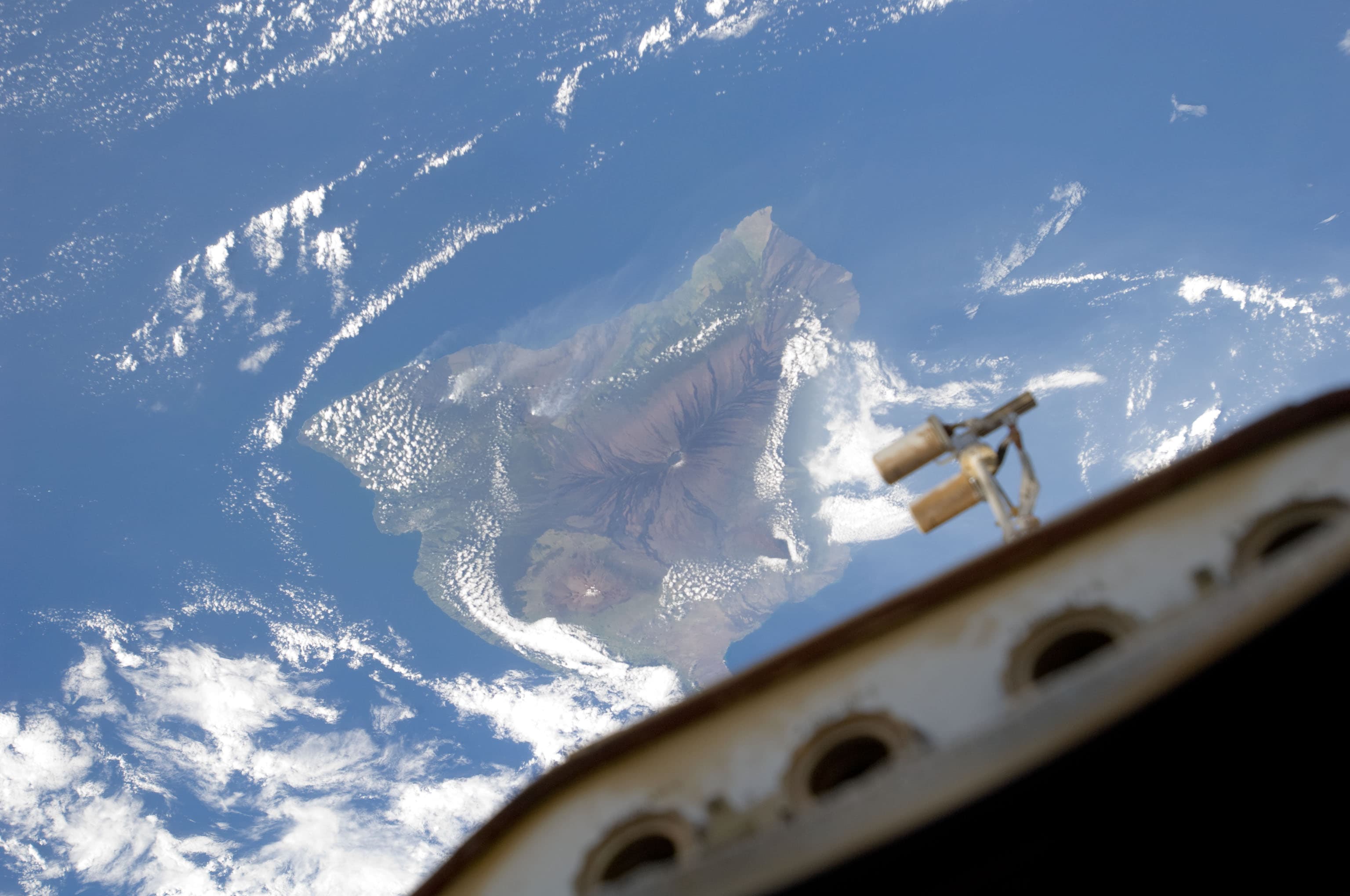
The Pacific is home to the "Ring of Fire," a horseshoe-shaped zone that encircles much of the ocean's edges. This region accounts for about 90% of the world's earthquakes and roughly 75% of its active volcanoes. The tectonic activity here is relentless, shaping coastlines, triggering tsunamis, and building island chains like Hawaii — itself a product of a volcanic hot spot sitting in the middle of the Pacific Plate.
A Living System
Beyond its raw size, the Pacific supports an extraordinary range of ecosystems — from the coral-rich waters of the Coral Triangle near Southeast Asia to the nutrient-cold upwellings off the coast of Peru that fuel massive fisheries. It plays a central role in global weather patterns, with phenomena like El Niño and La Niña originating in its equatorial waters and rippling outward to affect rainfall, drought, and temperature across the entire planet.
The Pacific is not just a body of water. It is a force of nature on a planetary scale — ancient, powerful, and still full of secrets waiting to be uncovered.