The Quiz Question
What is the largest desert on Earth?
- A. Sahara
- B. Gobi
- C. Arabian
- D. Antarctica
The answer is D. Antarctica. Here is the full story.
Antarctica: The World's Biggest Desert (Yes, Really)
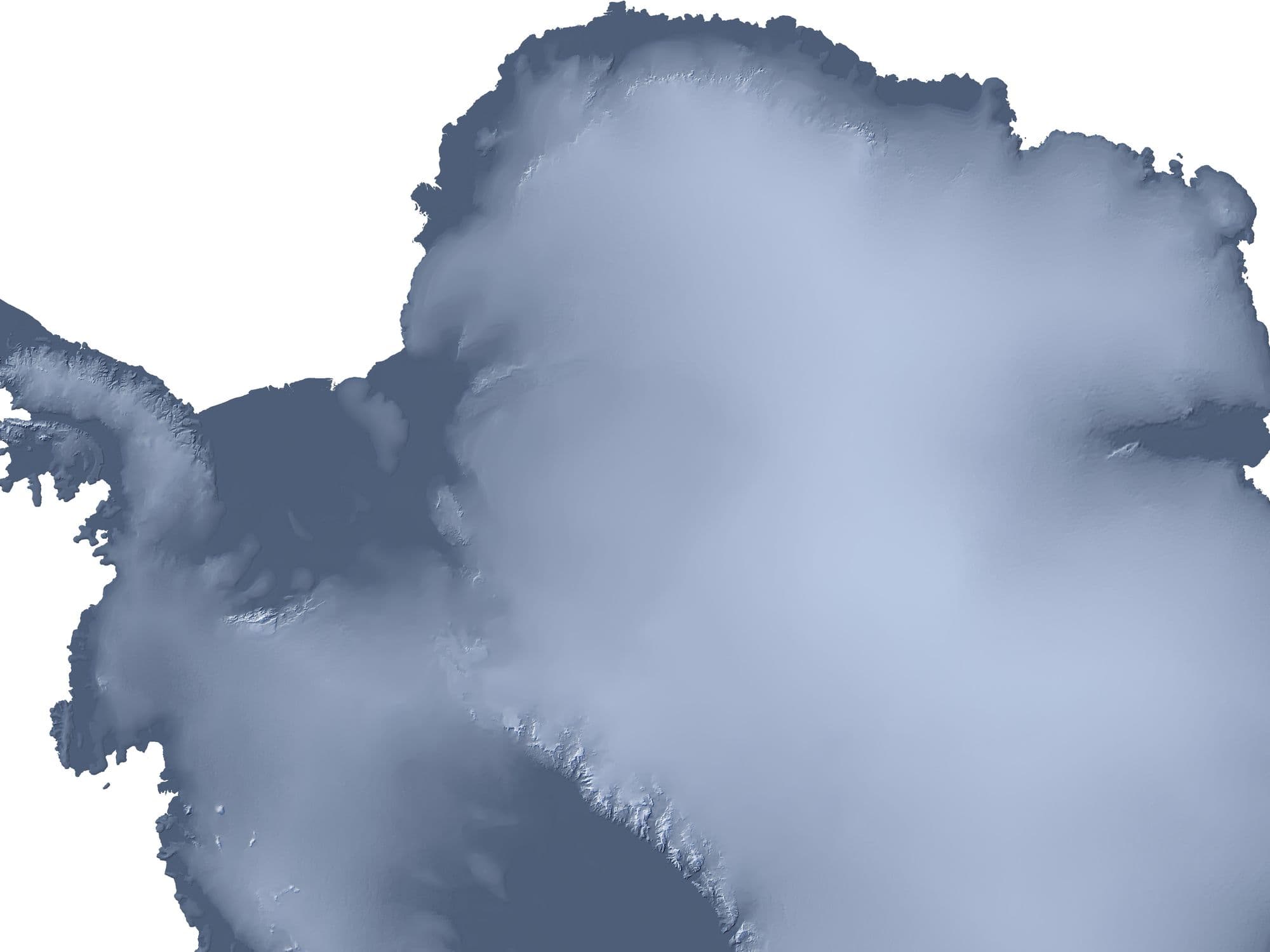
When most people picture a desert, they imagine rolling sand dunes, scorching heat, and camels on the horizon. So it tends to raise a few eyebrows when geographers calmly point to a continent buried under two miles of ice and call it the largest desert on Earth. But they're absolutely right — and the reason comes down to one surprising definition.
It's All About Precipitation, Not Temperature
A desert isn't defined by heat. It's defined by dryness. Specifically, a region qualifies as a desert when it receives less than 250 millimetres (about 10 inches) of precipitation per year. Antarctica receives an average of just 166 millimetres annually across the continent — and in the interior, that figure drops to less than 50 millimetres. That makes it one of the driest places on the planet, full stop.
The ice you see there isn't falling fresh every year. Much of it has been accumulating for hundreds of thousands of years, compressed into glaciers over geological time. The air over Antarctica is so cold and so dry that it simply can't hold much moisture.
The Numbers That Put It in Perspective
Antarctica covers approximately 14.2 million square kilometres (around 5.5 million square miles). To put that in context, the Sahara Desert — the largest hot desert on Earth — covers roughly 9.2 million square kilometres. The Arabian Desert, often considered the second largest hot desert, clocks in at about 2.3 million square kilometres. Antarctica dwarfs them both, comfortably.
The Arctic, sitting at the other pole, is also classified as a cold desert for the same reasons. But even the Arctic — much of which is ocean covered in sea ice rather than a land mass — doesn't match Antarctica's sheer scale.
Why This Matters Beyond Trivia
Understanding Antarctica as a desert has real scientific implications. Researchers studying how life survives in extreme, dry environments use Antarctica as a stand-in for conditions on Mars. Certain valleys in Antarctica, known as the McMurdo Dry Valleys, haven't seen rain or snow in nearly two million years — making them the closest thing to Martian terrain we can visit without a rocket.
The continent also holds about 60% of the world's fresh water, locked in that ancient ice. If the Antarctic ice sheet were to melt, global sea levels would rise by roughly 58 metres. So this "desert" is, paradoxically, one of the most water-rich places on the planet — just none of it is falling from the sky anytime soon.
A Desert in a Parka
Antarctica forces us to rethink assumptions we didn't even know we were making. Deserts aren't about heat or sand — they're about the absence of moisture in the air. Once you understand that, the frozen south makes perfect sense as the king of all deserts. It's just wearing a very different outfit than the Sahara.