The Quiz Question
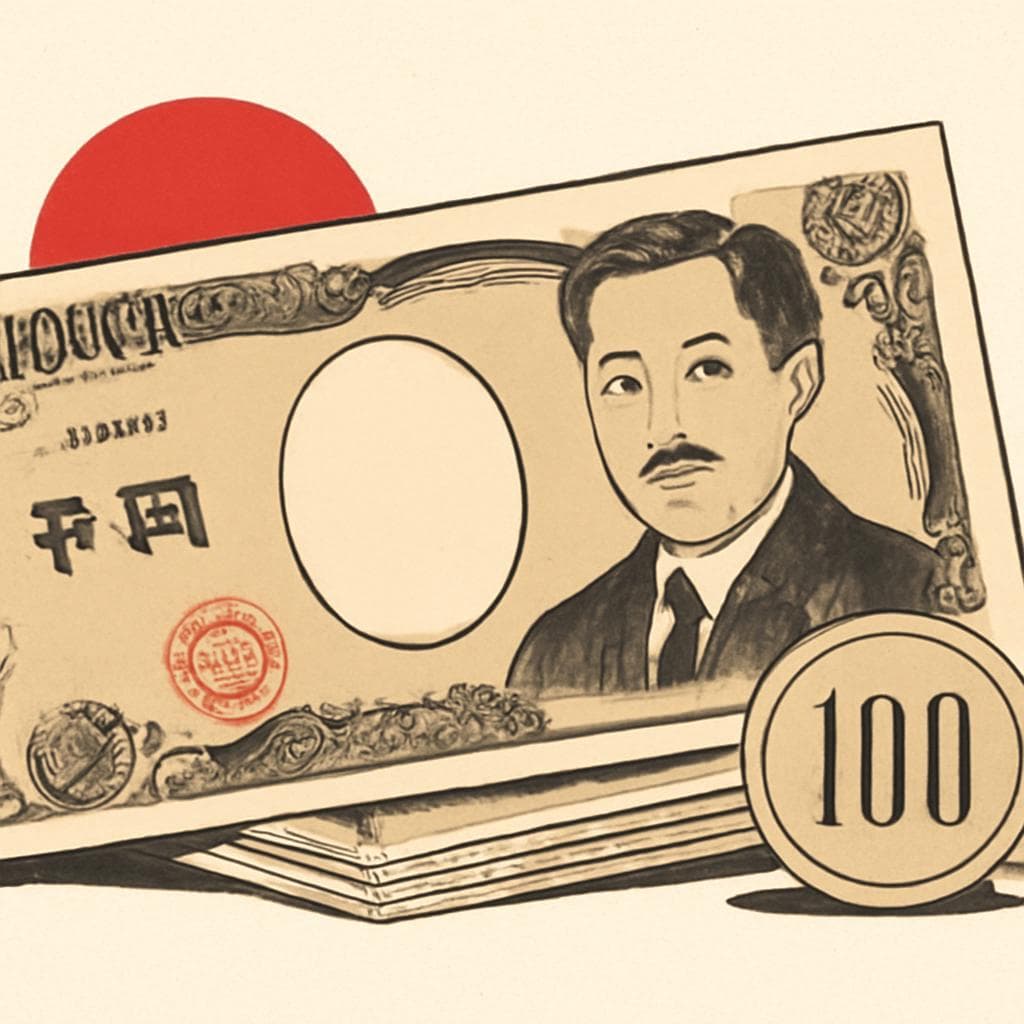
What is the currency of Japan?
- A. Won
- B. Yuan
- C. Yen
- D. Ringgit
The answer is C. Yen. Here is the full story.
Japan's Iconic Currency: The Yen
The yen is one of the most traded currencies in the world today, sitting comfortably alongside the US dollar and the euro as a global financial powerhouse. But its story starts in a very specific moment in Japanese history — a period of radical transformation that reshaped the entire nation.
A Currency Born From Revolution
The yen was officially introduced on May 10, 1871, as part of the Meiji Restoration — a sweeping modernisation of Japan that touched everything from government to technology to money. Before the yen, Japan operated under a chaotic system of feudal currencies, with various clans and domains issuing their own coins and notes. The new Meiji government wanted a single, unified currency to stabilise trade and signal Japan's ambitions as a modern nation-state.
The word yen (円) literally means "round" in Japanese, a nod to the circular coins that replaced the older, irregular currency forms. It was a clean, deliberate break from the past.
How the Yen Works
The yen is subdivided into smaller units called sen (1/100 of a yen) and rin (1/1000 of a yen), though these denominations are essentially obsolete in everyday life today — prices in Japan are quoted in whole yen. Current banknotes come in denominations of ¥1,000, ¥5,000, and ¥10,000, while coins range from ¥1 to ¥500.
The ¥500 coin is particularly notable — it's one of the highest-value coins in regular circulation anywhere in the world, worth roughly the equivalent of a few US dollars.
Famous Faces on the Notes
Japanese banknotes have traditionally featured influential historical figures. For decades, the ¥1,000 note carried the image of bacteriologist Hideaki Noguchi, while the ¥10,000 note featured Yukichi Fukuzawa, an educator and writer widely credited with introducing Western ideas to Japan. In 2024, Japan issued a new series of banknotes — the first redesign in about 20 years — updating the portraits while keeping the yen's timeless aesthetic.
The Yen on the World Stage
The yen is the third most traded currency in the global foreign exchange market. It's often considered a "safe haven" currency, meaning investors flock to it during times of global financial uncertainty. This reputation stems partly from Japan's status as one of the world's largest creditor nations — Japan is owed more money by other countries than it owes itself.
The Bank of Japan, established in 1882, manages monetary policy and the issuance of yen. Its decisions on interest rates ripple across global markets, a testament to just how far Japan's once-fragmented currency system has come since those early Meiji reform days.
From feudal chaos to global financial symbol — the yen's 150-plus year journey is a fascinating reflection of Japan's own remarkable rise.