The Quiz Question
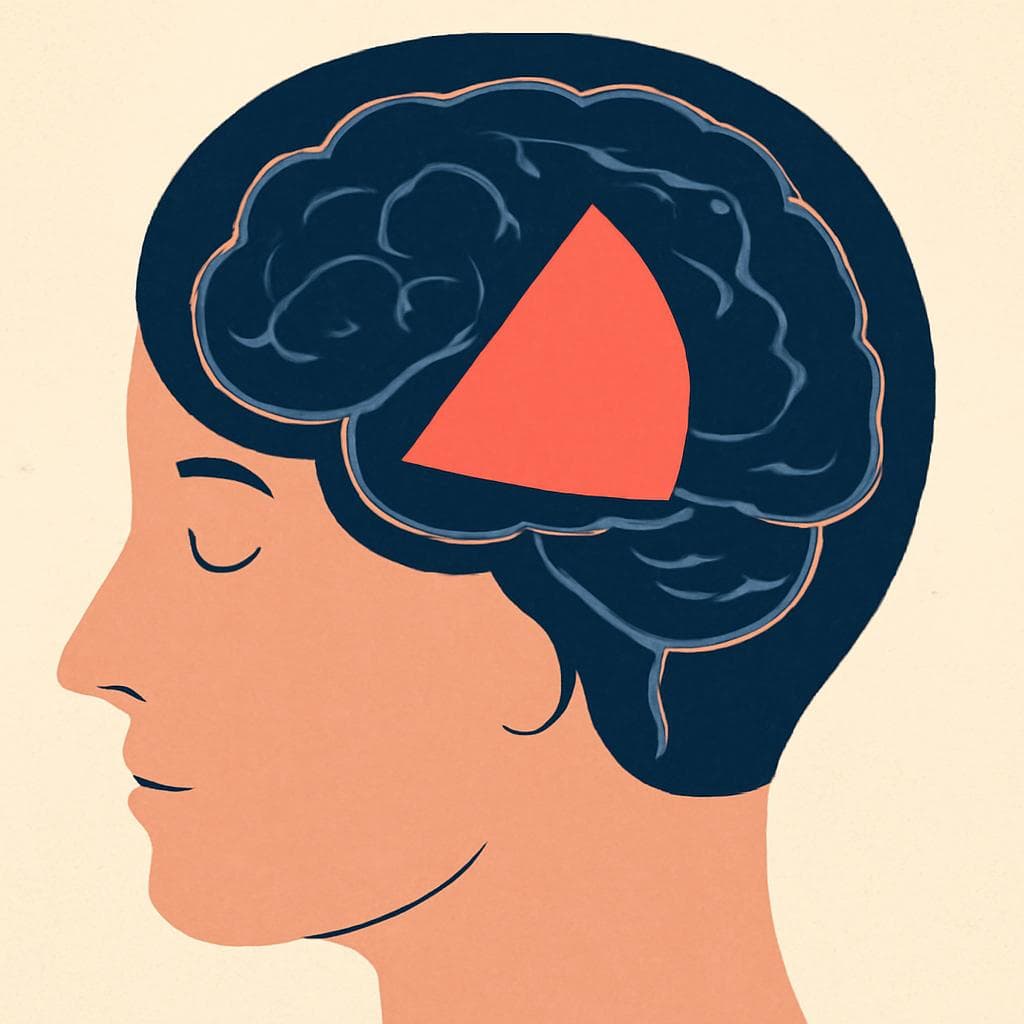
Humans only use 10% of their brain
- A. True
- B. False
- C. Sometimes
- D. Unknown
The answer is B. False. Here is the full story.
One of the most persistent myths in popular science, the idea that we only use 10% of our brains is completely false — and it has been thoroughly debunked by neuroscientists time and time again. Yet somehow, it refuses to die.
Where Did This Myth Come From?
The exact origin is murky, but the myth has been traced back to misquoted statements from early 20th-century psychologists, including William James, who wrote vaguely about humans not achieving their full mental potential. Others point to misinterpretations of early neuroscience research, where scientists noted that some neurons were not firing at any given moment — which got distorted into the idea that 90% of the brain is simply idle.
Self-help culture and advertising turbocharged the myth throughout the 20th century, promising to unlock your "unused" brainpower with the right book, supplement, or course. Hollywood loved it too — the 2014 film Lucy and the 2011 thriller Limitless both built their entire plots around the premise.
What Brain Scans Actually Show
Modern neuroimaging technology, particularly fMRI (functional magnetic resonance imaging), lets scientists watch the brain in action in real time. What they see is unambiguous: virtually all brain regions show activity, and over the course of a day, essentially every part of the brain is used.
Different tasks activate different regions simultaneously. Reading this article right now is engaging your visual cortex, language centres, memory systems, and attention networks — all at once. Even during sleep, large portions of the brain remain highly active, consolidating memories and regulating bodily functions.
Why Evolution Makes the Myth Impossible
From a biological standpoint, the 10% idea makes no sense. The human brain accounts for roughly 2% of body weight but consumes around 20% of the body's total energy. Maintaining that much tissue is extraordinarily expensive for the body. Evolution is ruthless about efficiency — it would not allow the brain to carry 90% dead weight when resources like food were scarce for most of human history.
If 90% of the brain were truly unnecessary, damage to those regions would have no effect. In reality, damage to almost any part of the brain — through stroke, injury, or tumour — produces measurable, often devastating consequences. There is no "spare" region sitting dormant.
The Takeaway
The brain is not an underused muscle waiting to be unlocked. It is a staggeringly complex organ of roughly 86 billion neurons, constantly processing, communicating, and adapting. The real story of the brain is far more impressive than the myth — you are already using all of it, all the time, just to get through an ordinary Tuesday.
So the next time someone repeats the 10% claim, you can confidently set the record straight.