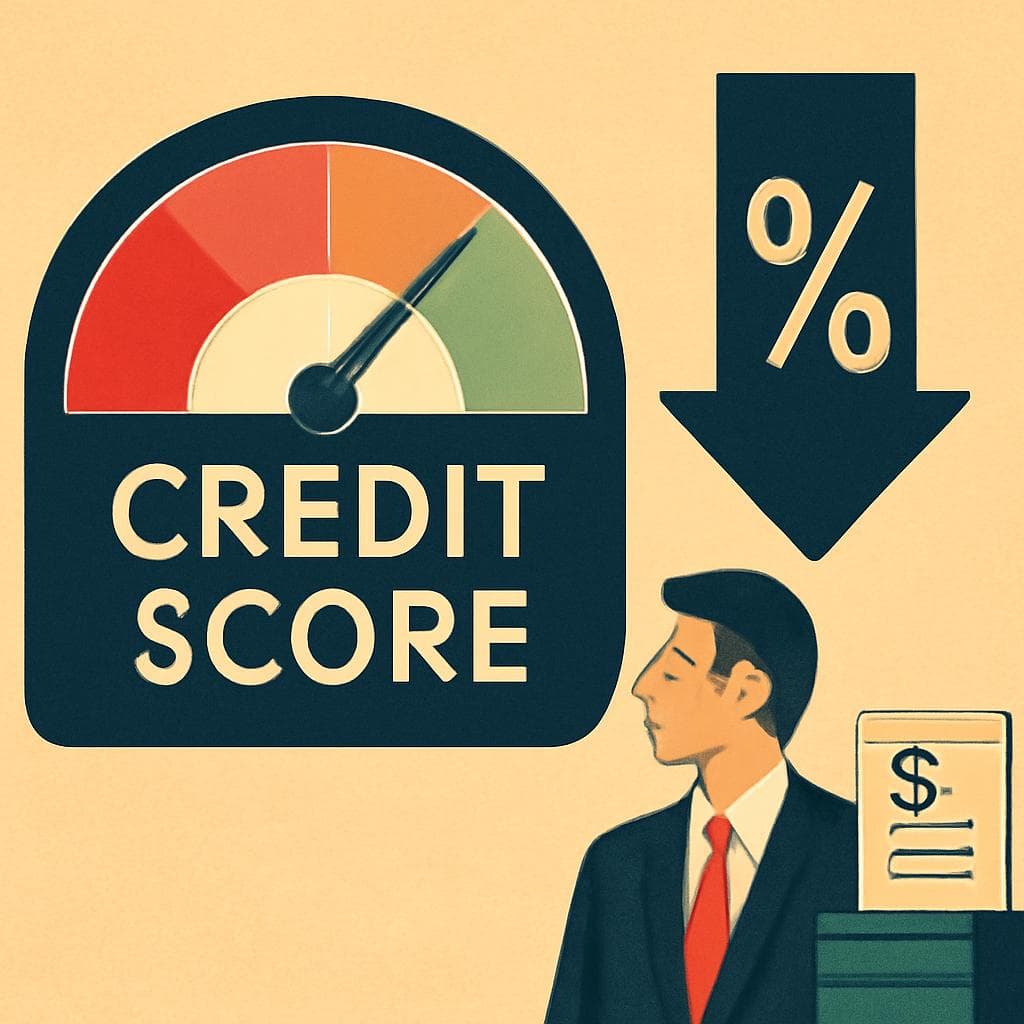
The Quiz Question
A higher credit score always means a lower interest rate on loans.
- A. True
- B. False
- C. It depends
- D. Not sure
The answer is A. True. Here is the full story.
Why Your Credit Score Is the Key to Cheaper Borrowing
Your credit score is essentially a three-digit shorthand for how risky you are as a borrower. Lenders use it to make a very simple calculation: the higher your score, the less likely you are to default — and the less risk they're taking on by giving you money. Less risk means they can afford to charge you less for the privilege of borrowing.
How Lenders Actually Price Risk
When a bank or lender sets your interest rate, they're not pulling a number out of thin air. They're using a risk-based pricing model, where your credit score is one of the most heavily weighted inputs. Someone with a score of 760 or above is typically offered the best available rates — sometimes called "prime" rates. Drop into the 620–659 range and you're looking at significantly higher rates. Fall below 580 and some lenders won't touch you at all, while others will — but at eye-wateringly high interest rates that reflect the real chance you might not pay them back.
The difference in real dollars is dramatic. On a 30-year fixed mortgage of $300,000, a borrower with an excellent credit score might pay an interest rate of around 6.5%, while someone with a poor score might face 8.5% or higher. That gap translates to tens of thousands of dollars over the life of the loan.
The FICO Score and Its Dominance
In the United States, the FICO score — developed by the Fair Isaac Corporation — is the industry standard. Scores range from 300 to 850. Most lenders consider anything above 740 to be "very good," while above 800 is exceptional. FICO scores are calculated using five factors: payment history (35%), amounts owed (30%), length of credit history (15%), new credit (10%), and credit mix (10%). Payment history carries the most weight because consistently paying on time is the clearest signal that you'll keep doing so.
It's Not Just About Mortgages
The same logic applies across virtually every type of borrowing — auto loans, personal loans, credit cards, and even some insurance premiums. A great score means better terms, lower monthly payments, and more negotiating power with lenders. A poor score can lock you into predatory loan products with compounding fees that make debt much harder to escape.
The Bottom Line
Your credit score is one of the most financially consequential numbers in your life. Treating it well — by paying bills on time, keeping credit card balances low, and avoiding unnecessary hard inquiries — pays off in a very direct and measurable way every time you need to borrow money. Lenders are in the business of managing risk, and a high credit score tells them, clearly and convincingly, that you're a safe bet.